
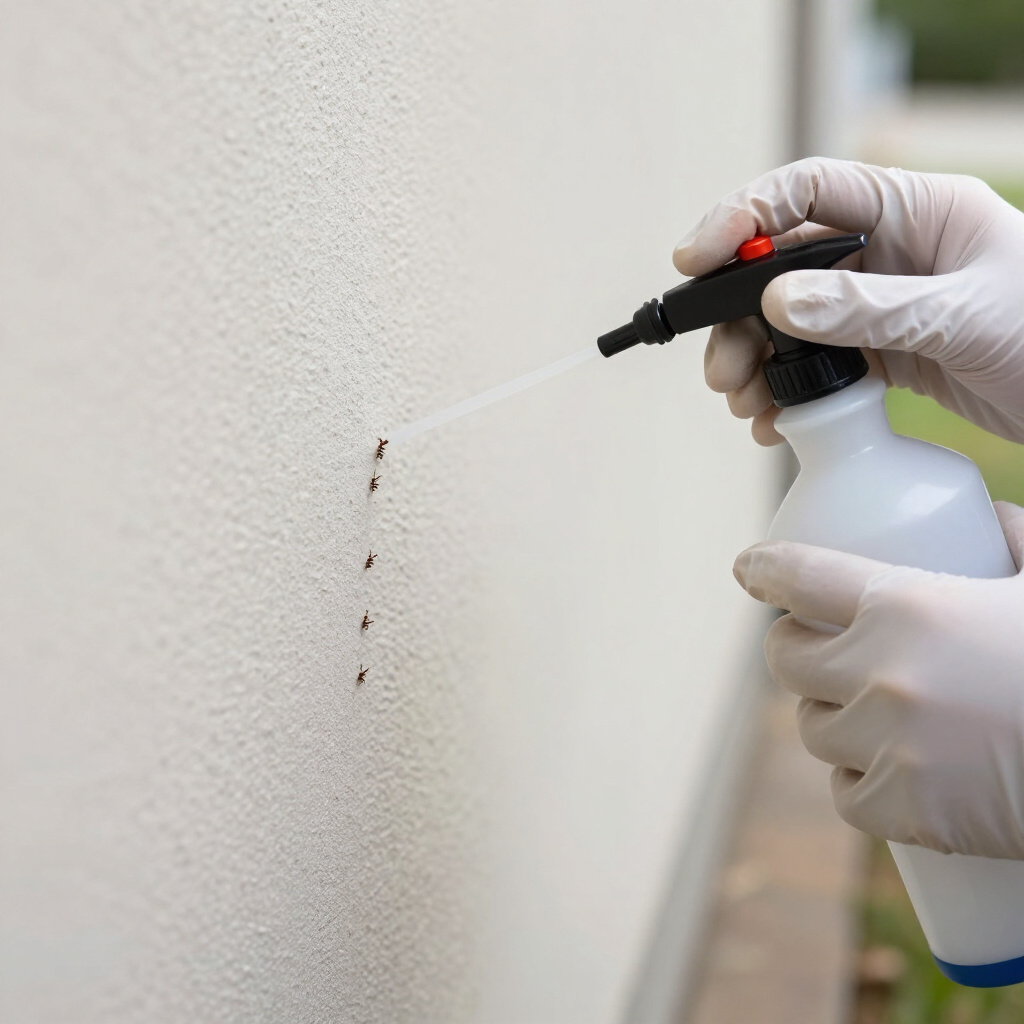


Pest Control Services in Sidney, NE
Sidney sits in the heart of western Nebraska's panhandle, where the semi-arid climate and agricultural surroundings create unique pest pressures for homeowners and businesses alike. Residents throughout Cheyenne County deal with everything from persistent field mice seeking winter shelter to seasonal invasions of boxelder bugs and spiders. Our technicians understand the specific challenges that come with protecting properties in this region, from historic homes near downtown to newer developments along the Highway 30 corridor.
The combination of irrigated farmland, the nearby North Platte River valley, and open rangeland means Sidney properties face diverse pest threats throughout the year. Spring brings ant colonies and termite swarmers active in the sandy loam soils. Summer months see peak activity from wasps, hornets, and mosquitoes near standing water sources. As temperatures drop in autumn, rodents begin their push indoors, while winter drives spiders and occasional bed bug issues from increased travel along Interstate 80.
We provide comprehensive pest management tailored to Cheyenne County's conditions. Our residential programs include perimeter barrier treatments, interior crack and crevice applications, and targeted solutions for crawl spaces and attics where prairie rattlesnakes occasionally seek denning sites. Commercial services cover the agricultural supply businesses, restaurants, hotels, and retail establishments that serve both local residents and travelers passing through this important transportation hub. Every treatment plan accounts for the wind exposure, soil composition, and building construction common to this part of Nebraska.
Frequently Asked Questions About Pest Control in Sidney
What pests are most common in Sidney homes?
Mice and rats top the list, particularly from October through April when they seek warmth and food. House spiders, including wolf spiders and the occasional brown recluse, are frequent findings in basements and outbuildings. Ants—especially pavement ants and odorous house ants—become problematic in spring and summer. Wasps and yellow jackets build nests in eaves, sheds, and fence lines. Termites, while less visible, actively damage wooden structures in our area. Finally, boxelder bugs and Asian lady beetles cluster on south-facing walls during fall.
How does Sidney's climate affect pest activity?
Our low humidity and temperature extremes actually intensify certain pest behaviors. Summer highs above 90°F drive pests indoors for moisture and cooler conditions. Winter lows well below zero force rodents and insects into heated structures with desperation. The freeze-thaw cycles of spring trigger termite swarming and ant colony expansion. Additionally, our frequent high winds can damage structures, creating new entry points that pests exploit within days.
Are prairie rattlesnakes a concern for Sidney property owners?
Yes, though encounters remain relatively rare within city limits. Prairie rattlesnakes inhabit the grasslands and rocky outcrops throughout Cheyenne County and occasionally wander into rural properties, especially those with rock piles, tall grass, or rodent activity. Our technicians are trained to identify snake harborage areas and can recommend habitat modification. If you suspect venomous snakes on your property, we coordinate with appropriate wildlife professionals for safe removal while addressing the rodent populations that attract them.
How often should Sidney homes receive pest control treatments?
Most properties benefit from quarterly service visits, timed to anticipate seasonal pest pressures. March treatments target emerging ants and termite swarmers. Summer applications focus on spider and wasp prevention. Fall service emphasizes rodent exclusion before winter arrival. December or January visits address any indoor activity that develops. Properties with ongoing issues, commercial kitchens, or those near agricultural fields may require monthly service during peak activity periods.
What should I do to prepare my home for pest control treatment?
Clear clutter from baseboards and corners where technicians need access. Store food items in sealed containers and cover pet dishes. Note any specific pest sightings or damage you've observed, including approximate locations and timing. For exterior treatments, trim vegetation back from the foundation and remove items stored against the house. After treatment, allow recommended drying times before mopping treated areas, and maintain consistent sanitation practices to support long-term results. Your technician will provide property-specific instructions based on the targeted pests and treatment methods selected.