


How to Choose a Pest Control Professional in Lincoln
Finding the right pest control provider in Lincoln means looking beyond flashy advertising to what actually matters for Lancaster County properties. Lincoln's mix of historic neighborhoods near downtown, newer developments in south and east Lincoln, and agricultural edges creates diverse pest pressures that demand local expertise.
Start with proper licensing. Nebraska requires commercial applicator licenses through the Nebraska Department of Agriculture. Any provider working in Lincoln should readily share their license number. Insurance coverage matters equally—general liability and workers' compensation protect you if accidents occur during treatment.
Ask specifically about experience with Lincoln's seasonal patterns. Spring brings termite swarms and ant invasions as temperatures climb. Summer spikes mosquito and tick activity, particularly near Holmes Lake, Wilderness Park, and other green corridors. Fall drives rodents indoors seeking warmth before harsh prairie winters. A provider familiar with these rhythms plans prevention accordingly.
Request integrated pest management (IPM) approaches. Quality professionals in Lincoln emphasize inspection, exclusion, and targeted treatments over blanket pesticide applications. This matters for households with children, pets, or concerns about environmental impact on local waterways like Salt Creek and the surrounding watershed.
Check reviews from Lincoln-specific sources—neighborhood Facebook groups, Nextdoor discussions, and local forums often reveal how companies handle callbacks, scheduling, and customer service in ways generic review sites miss.
What to Expect from Pest Control Services in Lincoln
The best pest control experiences follow a clear, transparent process from first contact to ongoing protection.
Initial consultation and inspection. Reputable providers begin with thorough property assessment, identifying active infestations, conducive conditions, and potential entry points. For Lincoln homes, this means checking crawl spaces, foundation gaps common in older construction, and attic ventilation where squirrels and bats access.
Customized treatment plan. Rather than one-size-fits-all packages, expect recommendations tailored to your specific situation. Plans should specify target pests, treatment methods, products used, and safety precautions. Ask about re-treatment policies if initial applications don't fully resolve issues.
Scheduled service execution. Technicians should arrive in marked vehicles, wear identification, explain procedures before starting, and document all applications. Exterior perimeter treatments typically form the foundation, with interior work limited to problem areas.
Follow-up and monitoring. Effective pest control requires ongoing attention, particularly in Lincoln's climate where freeze-thaw cycles create new entry points annually. Quarterly or bi-monthly maintenance plans prevent reinfestation rather than just reacting to visible pests.
Available Pest Control Services
Lincoln residents can access comprehensive pest management addressing the region's most pressing concerns:
- Termite control — Subterranean termites threaten Lancaster County structures, requiring soil treatment, baiting systems, or localized wood treatment depending on infestation extent
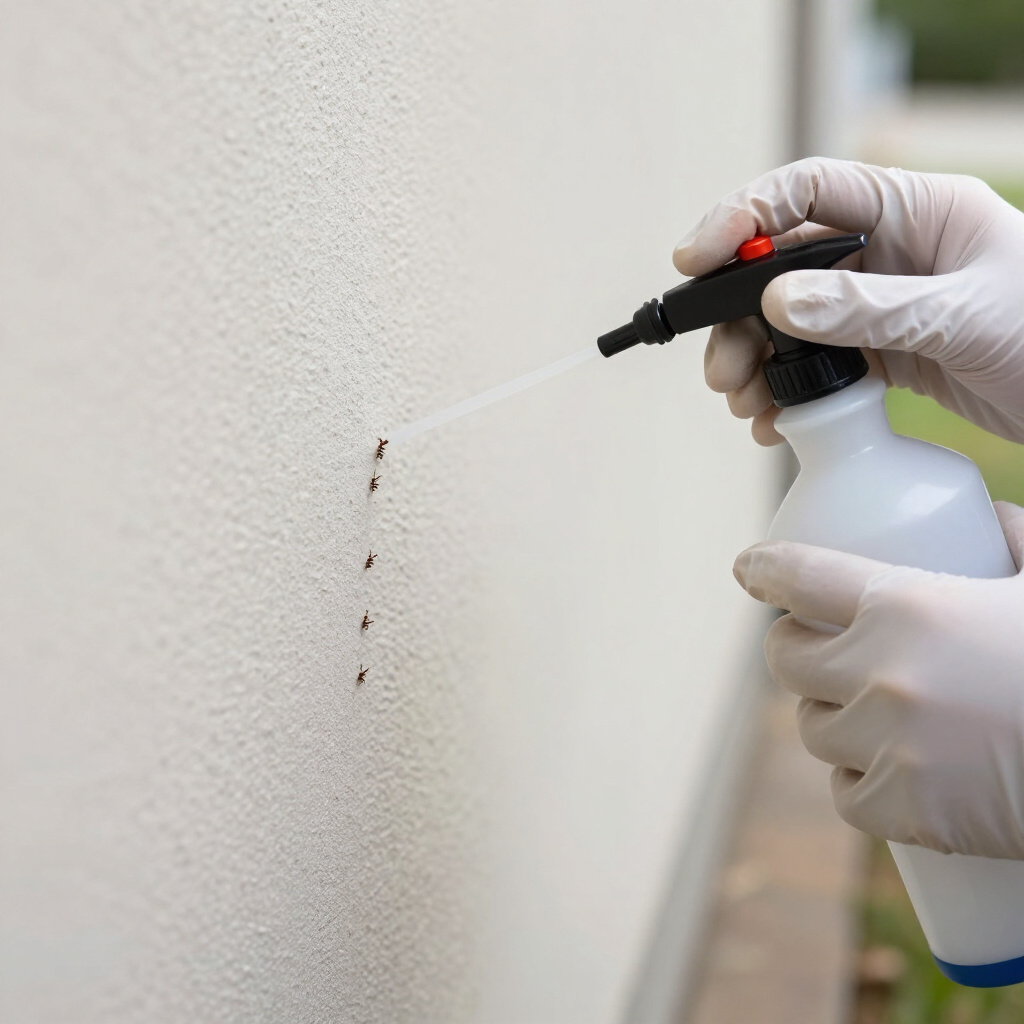
- Ant management — Odorous house ants, pavement ants, and occasional carpenter ant issues respond to targeted baiting and barrier treatments
- Rodent control — Mice and rats require exclusion sealing, trapping, and exterior bait stations, especially critical before Nebraska winters
- Spider removal — Brown recluse and occasional black widow concerns warrant professional handling given medical risks
- Mosquito and tick reduction — Seasonal yard treatments protect families enjoying Lincoln's extensive trail systems and outdoor spaces
- Stinging insect control — Wasp, hornet, and yellow jacket nest removal from eaves, trees, and ground burrows
- Bed bug elimination — Heat treatment and chemical protocols for residential and multi-family properties
- Wildlife management — Humane removal of raccoons, squirrels, skunks, and bats with proper exclusion to prevent return
Commercial services extend to restaurants along O Street, healthcare facilities, warehouses, and agricultural operations in outlying Lancaster County areas with specialized compliance requirements.
Frequently Asked Questions About Pest Control in Lincoln
How much does pest control cost in Lincoln?
Initial inspections typically run $75-$150. Single treatments average $150-$350 depending on pest type and property size. Ongoing quarterly maintenance plans generally range $40-$80 monthly. Severe termite infestations requiring full soil treatment may reach $1,500-$3,000. Always request detailed written estimates before authorizing work.
Are pest control treatments safe for my pets and children?
Modern IPM-focused providers use targeted applications minimizing chemical exposure. Reputable technicians will advise specific re-entry times and precautionary steps. Many products used in residential settings have low toxicity profiles once dry, though fish and reptile enclosures may need temporary relocation during service.
When should I schedule preventive pest control in Lincoln?
March through May addresses spring swarms and emerging activity. August through October focuses on winter rodent exclusion before cold weather drives pests indoors. However, year-round quarterly service provides the most consistent protection against Lincoln's seasonal pest pressures.
Do I need pest control if I only see one mouse or a few ants?
Visible pests typically indicate larger hidden populations. Mice reproduce rapidly—a single pair can produce dozens of offspring annually. Ant trails signal established colonies with multiple nesting sites. Early professional intervention prevents small issues from becoming major infestations requiring more extensive, costly treatment.
Can I handle pest problems myself instead of hiring professionals?
Store-bought sprays and traps sometimes temporarily reduce visible pests but rarely address root causes or hidden populations. Professional-grade products, specialized equipment for hard-to-reach areas, and training in pest biology produce more effective, longer-lasting results. DIY attempts with termites, bed bugs, or widespread infestations often worsen problems by dispersing pests.