


Pest Control Services in Lexington, NE
Lexington homeowners and business owners in Dawson County face unique pest pressures shaped by the Platte River Valley's agricultural landscape and Nebraska's continental climate. Our pest management professionals understand how seasonal irrigation, corn and soybean cycles, and the region's temperature swings create conditions where rodents, insects, and other pests thrive.
Whether you're managing a property near the historic downtown district, operating a business along Highway 30, or maintaining a home in one of Lexington's residential neighborhoods, targeted pest control solutions protect your investment year-round.
Residential Pest Control
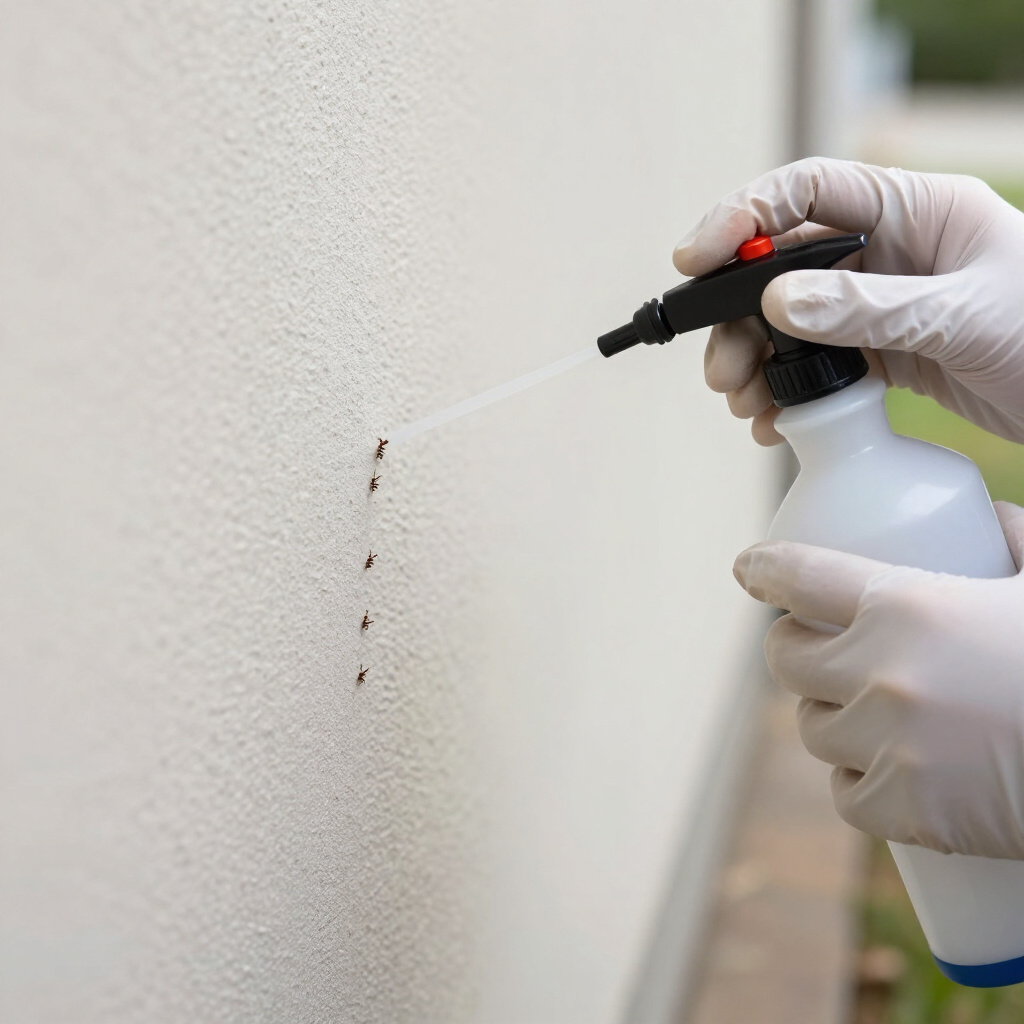
Homes in Lexington deal with foundation-seeking pests during freeze-thaw cycles and invaders drawn to stored grain proximity. Our residential programs address ants, spiders, mice, and seasonal invaders with perimeter treatments and interior protection tailored to Dawson County's specific pest patterns. Quarterly maintenance plans keep common Nebraska pests from establishing indoor populations.
Commercial Pest Management
Lexington's agricultural service businesses, food processing facilities, and retail operations require vigilant pest prevention. We provide IPM-based commercial programs with documentation for audits, focusing on exclusion techniques and monitoring that minimize disruption to your operations while meeting regulatory standards.
Termite & Wood-Destroying Organism Inspections
Subterranean termites remain active across eastern and central Nebraska, including Dawson County. Professional inspections identify mud tubes, damaged wood, and conducive conditions before structural damage escalates. Pre-sale WDO inspections support real estate transactions throughout the Lexington area.
Rodent Control & Exclusion
Field mice and Norway rats follow harvest patterns and seek winter shelter in buildings. Our rodent programs combine trapping, baiting, and structural exclusion to eliminate current populations and prevent reinfestation through foundation gaps, utility penetrations, and damaged soffits.
Seasonal Mosquito & Tick Reduction
Platte River drainage areas and irrigated landscapes create mosquito breeding habitat near Lexington properties. Targeted larval treatments and adult resting site applications reduce biting populations during peak summer months, while tick control addresses black-legged and lone star tick concerns in vegetated areas.
Frequently Asked Questions About Pest Control in Lexington, NE
What pests are most common in Lexington, Nebraska?
Lexington and Dawson County residents most frequently encounter house mice, Norway rats, odorous house ants, pavement ants, boxelder bugs, Asian lady beetles, spiders including wolf and brown recluse species, and German cockroaches in multi-unit housing. Seasonally, mosquitoes peak from June through August, while stinging insects become problematic in late summer. Agricultural proximity means stored product pests like Indian meal moths and grain beetles occasionally affect homes with bulk food storage.
How does Lexington's location in the Platte River Valley affect pest activity?
The Platte River Valley's combination of riparian habitat, extensive irrigation, and surrounding corn and soybean production creates elevated pest pressure compared to drier western Nebraska counties. Higher humidity near waterways supports mosquito and tick populations, while grain storage and processing facilities in the region provide food sources that sustain rodent populations. Seasonal flooding can also displace ground-dwelling pests toward structures. Effective pest control in Lexington requires understanding these valley-specific dynamics rather than applying generic treatment protocols.
When should Lexington homeowners schedule preventive pest control?
The most effective timing aligns with Nebraska's pest biology calendar. Early spring (March-April) treatments target emerging ants and spiders before they establish colonies. Late summer (August-September) perimeter applications intercept insects seeking winter harborage. Rodent exclusion should be completed by October before field mice migrate indoors. For termite protection, soil treatments are best applied during active foraging periods from March through October. Year-round quarterly programs provide the most consistent protection against Lexington's varied pest pressures.