
Discovering pests in your home can send anyone into a spiral of worry. Should you handle it yourself or bring in the experts? While a single ant on the kitchen counter might not warrant an emergency call, knowing when to call a pest control professional can save you time, money, and significant stress down the road. This guide will help you recognize the warning signs that indicate it's time to put down the DIY spray and contact a licensed expert who can solve the problem safely and effectively.
When to Call a Pest Control Professional for Persistent Infestations
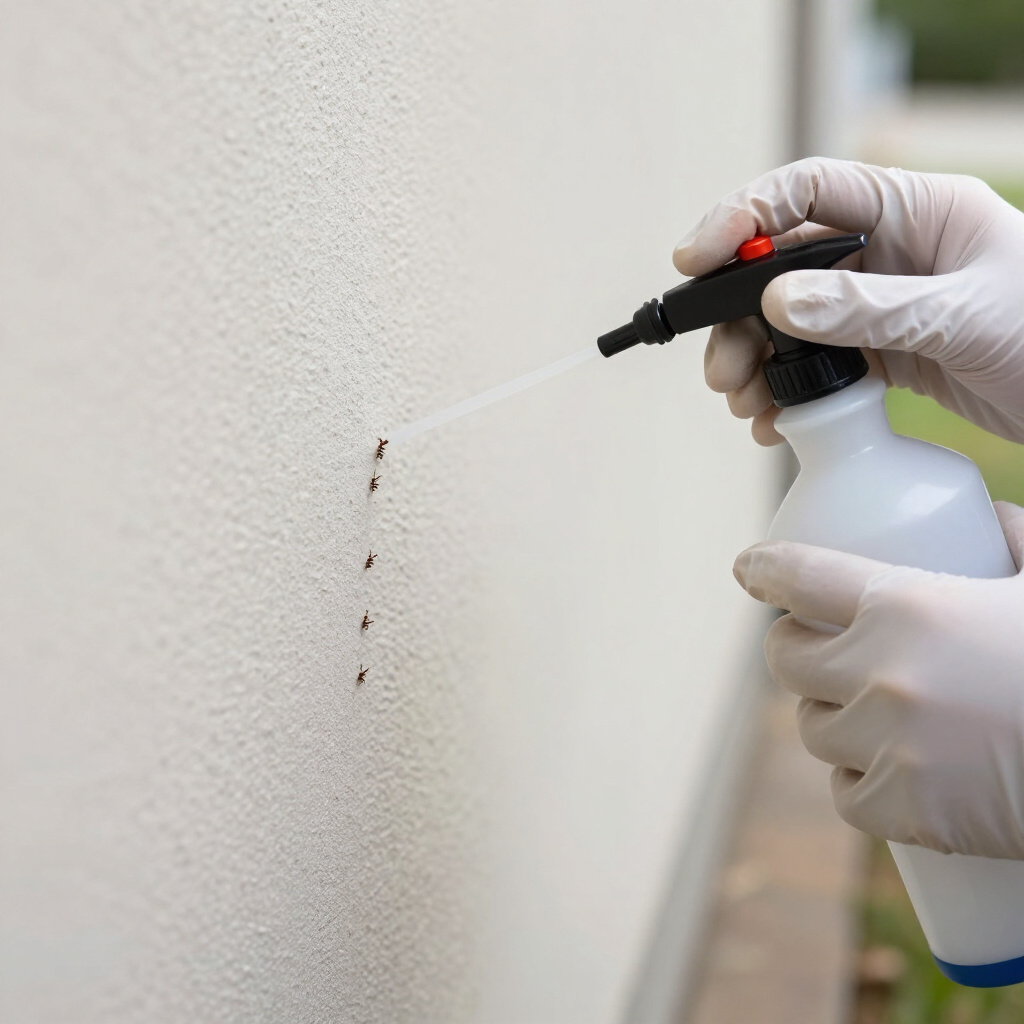
One of the clearest indicators that you need professional help is persistence. If you've tried store-bought traps, baits, or sprays and the pests keep returning within days or weeks, you're likely dealing with a larger colony or hidden nest that over-the-counter products simply cannot reach.
Consider these persistent warning signs:
- Sightings continue despite regular cleaning and DIY treatments
- Droppings reappear in the same areas after removal
- You notice pests at different life stages, indicating active breeding
- Damage to food packaging, wiring, or structural materials worsens over time
Many homeowners waste hundreds of dollars cycling through ineffective products when a professional could identify the root cause immediately. Pest control technicians understand pest behavior, breeding cycles, and entry points that the average person overlooks. They can also implement integrated pest management strategies that address both the immediate problem and long-term prevention.
Situations Requiring Immediate Professional Intervention
Some pest scenarios demand expert attention without delay due to health risks, property damage potential, or legal requirements. Knowing when to call a pest control professional quickly can prevent small issues from escalating into major crises.
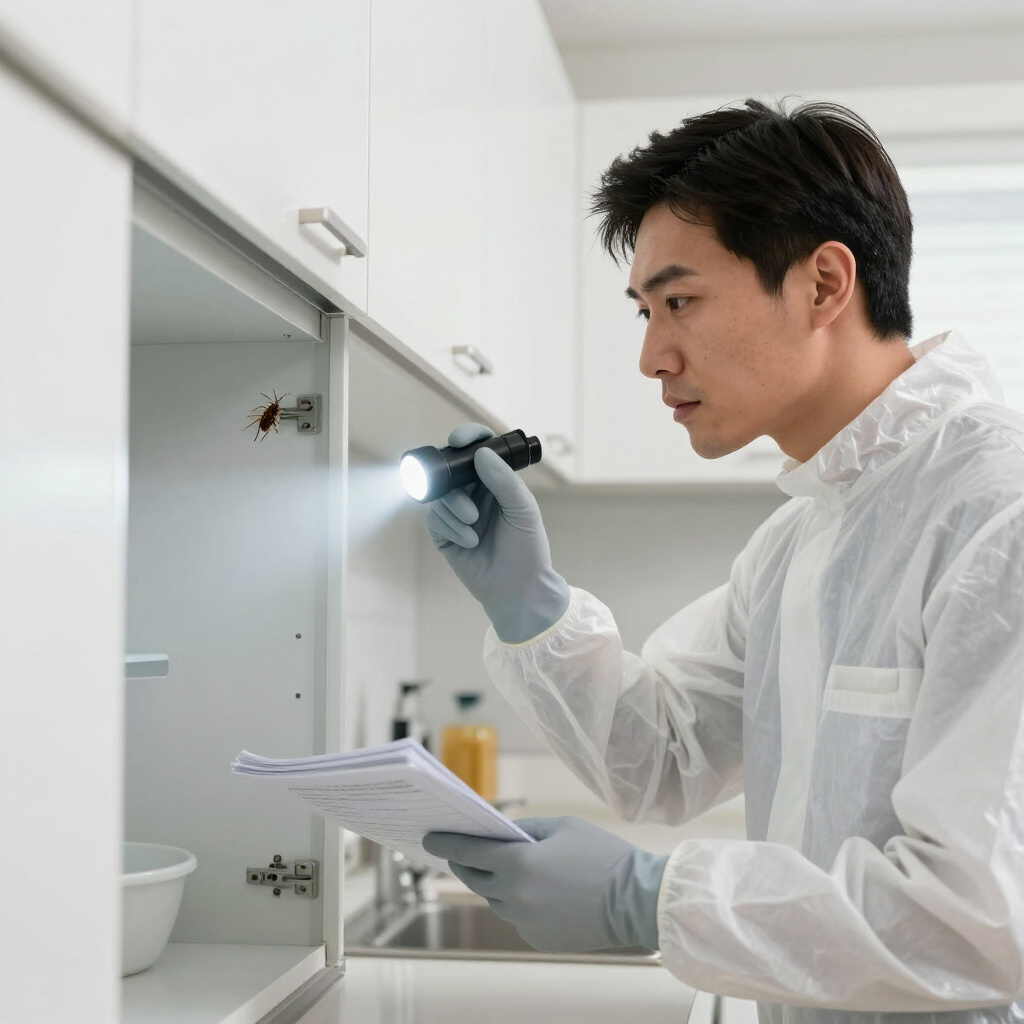
Health-threatening pests: Cockroaches trigger asthma and allergies, while rodents carry hantavirus and salmonella. Bed bugs cause severe itching and sleep disruption. If you have young children, elderly family members, or anyone with compromised immunity, these pests pose unacceptable health risks that professionals should handle with appropriate protective measures and targeted treatments.
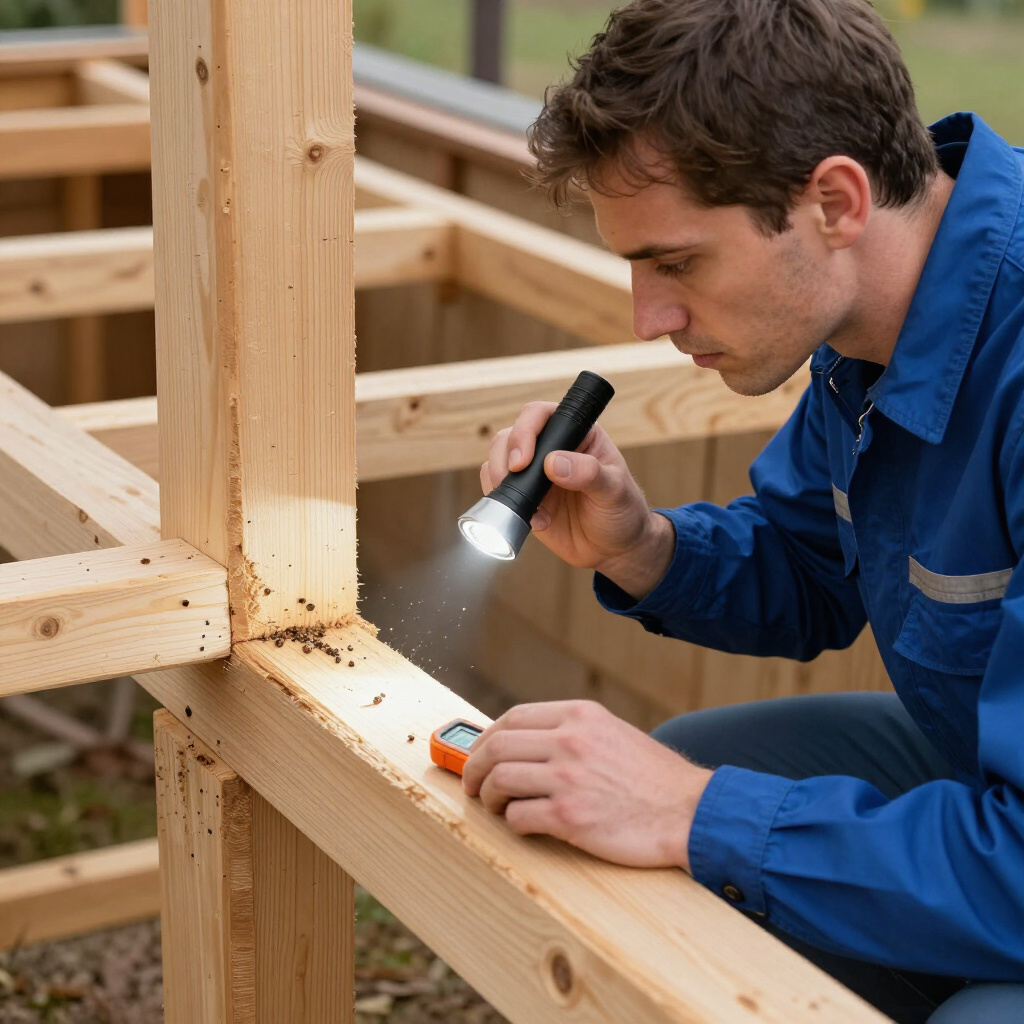
Structural threats: Termites silently destroy wooden structures, often causing thousands in damage before visible signs appear. Carpenter ants and certain beetle species create similar destruction. If you spot mud tubes, hollow-sounding wood, or piles of sawdust, contact a professional immediately for inspection and treatment.
Stinging insects: Bees, wasps, and hornets near entryways or high-traffic areas create dangerous situations, especially for those with allergies. Never attempt to remove large nests yourself—professionals have protective equipment and techniques to relocate or eliminate colonies safely.
Protected or regulated species: Bats, certain birds, and other wildlife often have legal protections requiring specialized, humane removal. Attempting DIY removal could violate laws and result in penalties.
Key Tips for Evaluating Your Pest Situation
Before making the call, take time to assess your situation thoroughly. This preparation helps you communicate effectively with professionals and ensures you receive appropriate service.
Document everything you observe. Note when and where you see pests, what types you've identified, and any damage you've noticed. Take photographs of droppings, damage, or the pests themselves if safely possible. This information helps technicians diagnose the problem accurately during their initial assessment.
Research reputable local companies. Look for licensed, insured providers with positive customer reviews and transparent pricing. Ask about their treatment methods—responsible companies explain their approach, including any chemicals used, and provide written service agreements.
Prepare your home before the technician arrives. Clear clutter from affected areas, secure food and pet dishes, and note any particular concerns about children, pets, or sensitive individuals in your household.
Understand that effective pest control often requires multiple visits. One treatment rarely solves established infestations completely. Ask about follow-up schedules, guarantees, and what you can do between visits to support long-term success.
Finally, recognize that prevention remains your most valuable tool after professional treatment. Seal cracks and gaps around your home's exterior, maintain proper food storage, eliminate standing water, and keep vegetation trimmed away from foundations. Your pest control professional can provide customized recommendations for your specific property and regional pest pressures.
Final Thoughts
Knowing when to call a pest control professional empowers you to protect your home, health, and peace of mind effectively. While minor, isolated pest sightings might respond to diligent DIY efforts, persistent problems, health risks, structural threats, and complex infestations all warrant expert intervention. The investment in professional service typically costs less than the cumulative expense of failed DIY attempts plus any damage that worsens during delay. Trust your instincts—if a pest situation feels beyond your comfort or capability, reaching out to a qualified professional represents the smart, responsible choice for your household.