

Termites are often called the "silent destroyers" for good reason. These tiny insects can chew through wood, flooring, and even wallpaper undetected, causing thousands of dollars in damage before you ever realize they're there. Learning to recognize the early warning signs can mean the difference between a minor treatment and a major structural repair. Whether you live in an older home or a newer build, knowing what to look for puts you back in control.
Signs You May Have Termites in Your Home
Spotting termite activity early requires paying attention to subtle changes around your property. Here are the most common indicators that these destructive pests may have moved in.
Mud tubes on exterior walls. Subterranean termites—the most common type in the United States—need moisture to survive. They build pencil-thin mud tubes from soil, wood particles, and their own saliva to travel between their underground colony and food sources. Check your foundation, crawl space, and exterior walls, especially near the ground. Break a tube open; if you see active, creamy-white insects inside, you have a current infestation.
Hollow-sounding wood. Termites consume wood from the inside out, leaving a thin veneer of paint or wood intact. Tap on baseboards, window sills, door frames, and hardwood floors with the handle of a screwdriver. If the wood sounds papery or hollow, or if your screwdriver easily pierces the surface, termites may have already done significant damage beneath.
Discarded wings near windows and doors. Swarming termites leave their colony to reproduce and establish new ones. After they find a mate, they shed their wings. Finding small piles of silvery, translucent wings—often described as looking like fish scales—on windowsills, near doors, or in spider webs signals that a swarm occurred nearby, possibly inside your walls.
Buckling or blistering paint. As termites tunnel through drywall or eat the wooden framing behind it, moisture and their fecal matter can cause paint to bubble, peel, or appear water-damaged. This sign is frequently mistaken for simple water damage, which delays proper treatment.
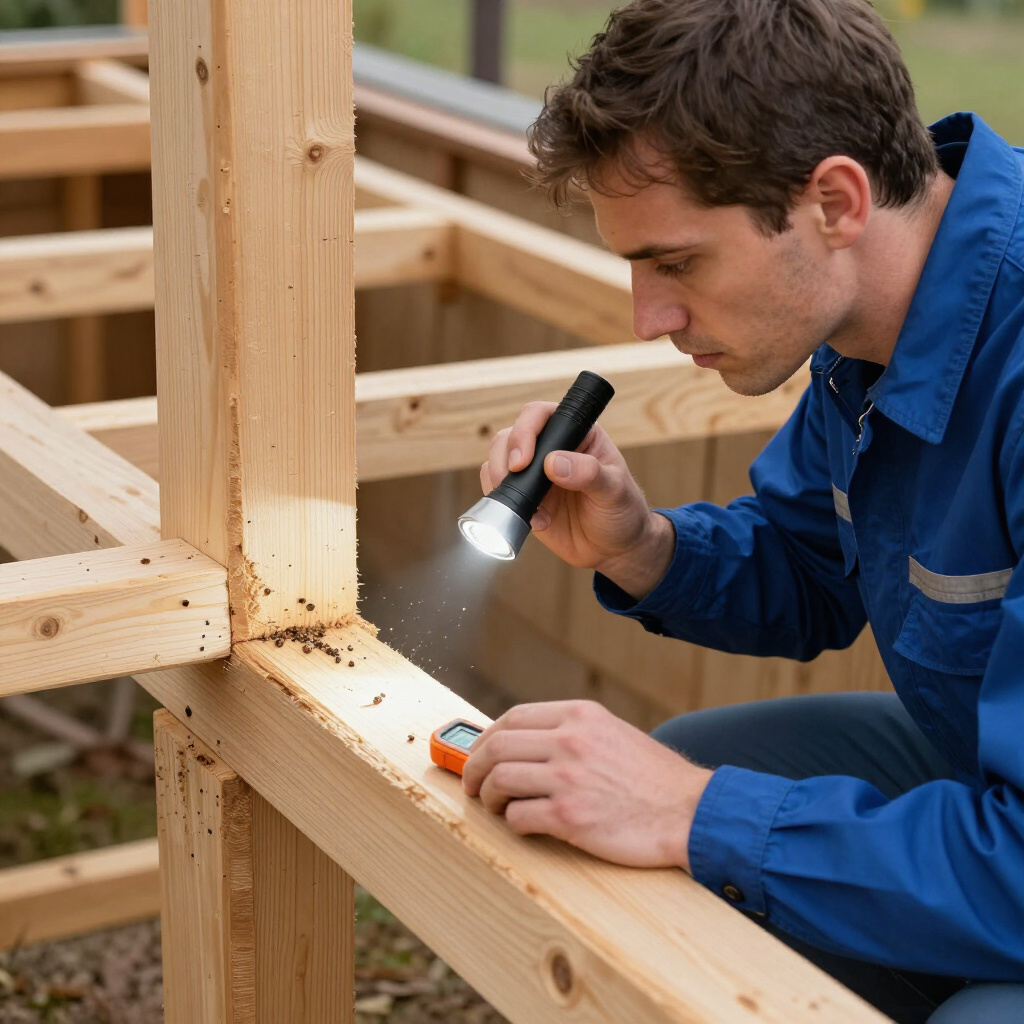
Frass: termite droppings. Drywood termites push their excrement out of small holes near the entrances to their tunnels. The result is tiny, wood-colored pellets that accumulate in small piles beneath infested areas. Unlike sawdust, frass has a distinct six-sided shape when examined closely.
Sagging floors and ceilings. Advanced termite damage weakens structural supports. If your floors feel springy, your ceiling develops unexplained cracks, or your doors and windows suddenly become difficult to open, termites may have compromised the wooden framework of your home.
Where to Look for Termite Activity
Termites prefer specific conditions, so concentrate your inspections in these vulnerable areas.
Start outside with any wood that contacts soil. Fence posts, deck supports, and firewood stacked against your home create direct bridges for subterranean termites. Move firewood at least twenty feet from your foundation and ensure wooden structures have proper clearance above ground level.
Inside, examine your basement, crawl space, and attic thoroughly. These spaces often have higher humidity and less foot traffic, allowing colonies to grow undisturbed. Use a flashlight to inspect sill plates, floor joists, and support beams for mud tubes or damaged wood. In living areas, pay special attention to rooms with plumbing leaks or poor ventilation—termites are drawn to moisture-damaged wood.
Don't overlook your garage. The concrete slab construction common in garages often has expansion joints where termites can enter, and stored cardboard boxes, wood scraps, and even drywall provide ample food sources.
Signs You May Have Termites Versus Other Pests
Not every suspicious finding points to termites. Carpenter ants also damage wood, but they excavate rather than consume it, leaving behind rough, sawdust-like shavings with insect parts mixed in. Powderpost beetles create tiny exit holes and fine powder, but their holes are round and uniform compared to termite damage.
Water damage alone can mimic some termite signs. The key differentiator is pattern: termite damage typically follows the wood grain and includes mud or soil deposits within tunnels. When uncertain, professional identification eliminates guesswork and prevents mistreatment.
What to Do If You Suspect Termites
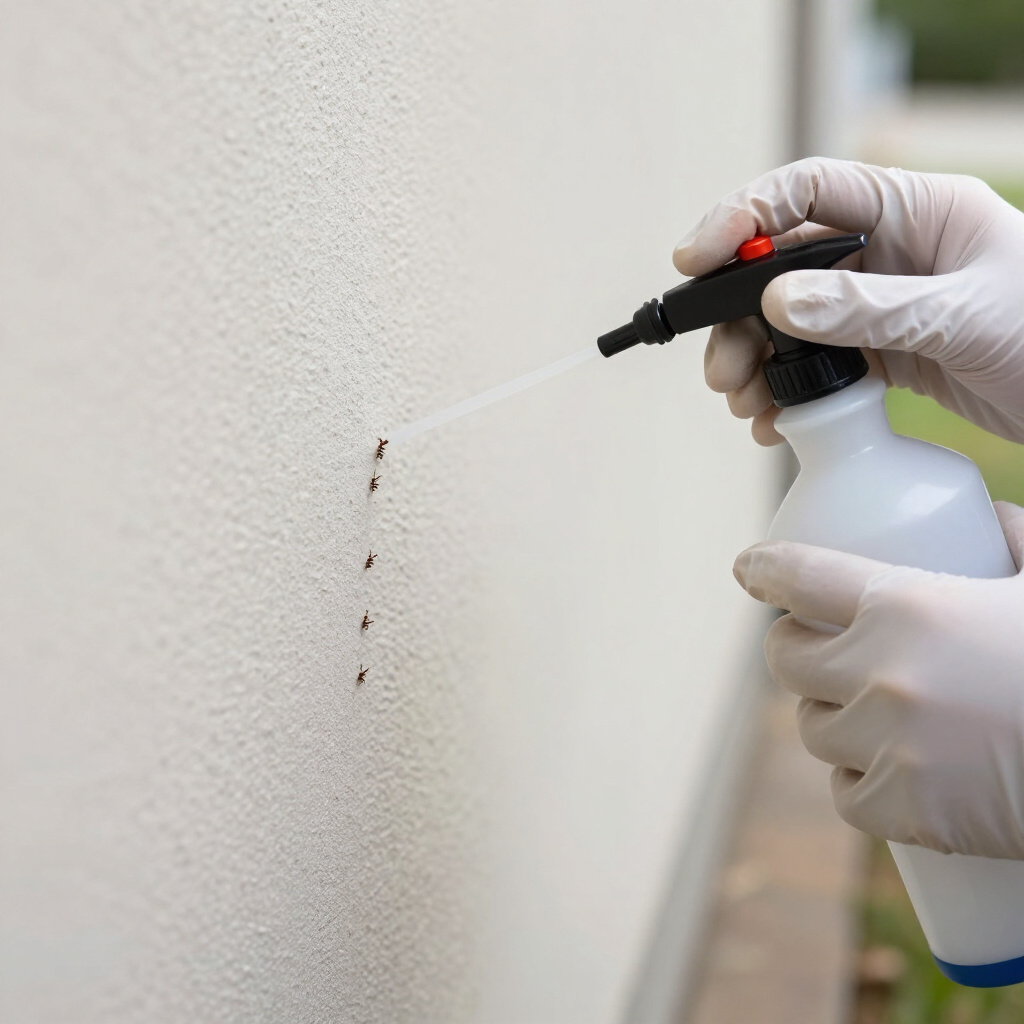
Resist the urge to disturb active mud tubes or spray visible termites with over-the-counter insecticides. This often fractures the colony, causing it to split and spread to new areas of your home—a phenomenon called budding that makes professional treatment significantly more complex.
Instead, document what you've found with clear photographs and contact a licensed pest control professional for a thorough inspection. Reputable companies offer free or low-cost inspections and can distinguish between active and old damage, identify the termite species, and recommend treatment options suited to your specific situation.
Consider scheduling annual inspections even if you don't notice warning signs. Professional technicians know where termites hide and can detect early activity long before visible damage appears. Many homeowners insurance policies exclude termite damage, making proactive prevention a sound financial decision.
Final Thoughts
Termites work slowly but relentlessly, and the damage they cause rarely announces itself dramatically. By familiarizing yourself with the warning signs and inspecting your home regularly, you position yourself to catch problems in their earliest stages. Remember that signs you may have termites often appear in places you rarely examine—so make those spaces part of your routine. When in doubt, trust a professional assessment over assumptions. Your home's structural integrity and your peace of mind are worth the vigilance.