
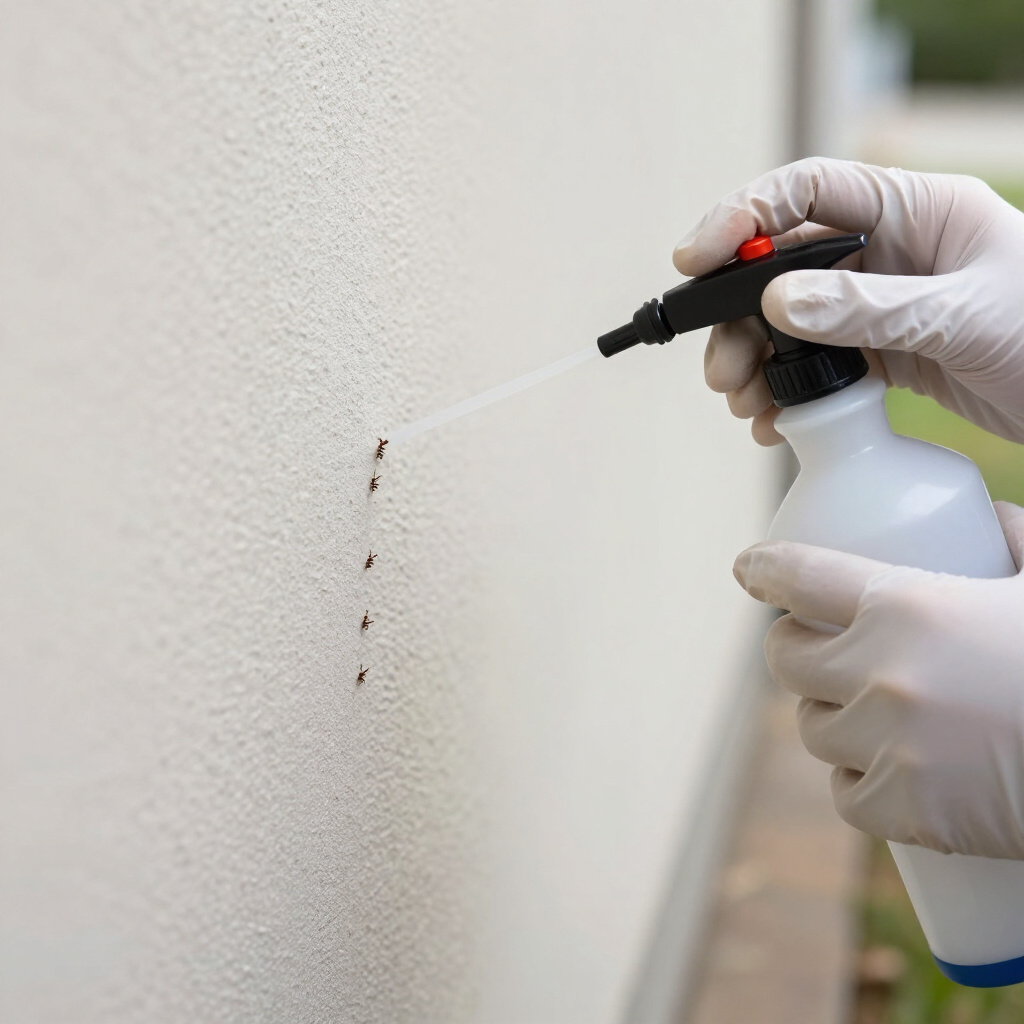


Keeping your home pest-free isn't a one-time task—it's a year-round commitment that changes with the seasons. As temperatures shift and weather patterns evolve, different pests emerge, seeking shelter, food, and water inside your living spaces. A proactive approach to seasonal pest control can save you from costly infestations, protect your family's health, and preserve your property's value. This comprehensive checklist will walk you through exactly what to do each season to stay ahead of unwanted visitors.
Spring Pest Control: Awakening and Entry Points
As nature wakes up, so do pests. Spring is one of the most critical times for pest control for homeowners because colonies that survived winter begin actively foraging and reproducing. Start your seasonal routine with a thorough exterior inspection.
Walk around your home's foundation and seal any cracks or gaps wider than a quarter-inch. Ants, including carpenter ants, are particularly active now and can exploit the tiniest openings. Check window screens for tears and repair or replace them promptly. Clean gutters thoroughly—clogged gutters create standing water that attracts mosquitoes and provides nesting material for various insects.
Trim back shrubs and tree branches that touch your home's exterior. These act as highways for ants, spiders, and rodents. Apply fresh mulch cautiously; while it beautifies your landscape, thick layers against foundations create ideal harborage for termites and other ground-dwelling pests. Maintain a six-inch gap between mulch and your siding.
Inside, focus on moisture control. Fix leaky faucets, repair dripping pipes under sinks, and ensure bathroom ventilation fans work properly. Spring humidity draws silverfish, cockroaches, and centipedes into basements and crawl spaces. Consider installing a dehumidifier in chronically damp areas.
Summer Pest Control: Peak Activity and Outdoor Defense
Summer brings the highest pest pressure of the year. Warm temperatures accelerate reproduction cycles, and extended daylight hours mean more foraging time. Your seasonal pest control efforts should intensify during these months.
Mosquito management becomes paramount. Eliminate all standing water sources—birdbaths should be refreshed twice weekly, pet water bowls changed daily, and unused containers stored upside down. For water features you want to keep, consider mosquito dunks containing Bacillus thuringiensis israelensis (Bti), a biological larvicide safe for pets and wildlife.
Wasps and hornets build nests in eaves, attics, and sheltered outdoor areas. Inspect these zones monthly. Early intervention with small nests prevents dangerous large colonies later. If you're allergic to stings, hire a professional rather than attempting removal yourself.
Your kitchen demands extra vigilance now. Fruit flies, house flies, and stored product pests thrive in warm conditions. Store pantry items in airtight glass or heavy plastic containers. Keep countertops crumb-free, take garbage out frequently, and don't overlook the space beneath appliances where food debris accumulates.
Outdoor dining and grilling areas attract pests. Clean grills after each use, keep lids on trash receptacles, and consider using fans on patios—the airflow discourages flying insects. Citronella candles and essential oil diffusers offer modest supplementary protection but shouldn't replace structural and sanitation measures.
Fall Pest Control: The Invasion Begins
When temperatures drop, pests start seeking winter shelter. Fall represents your last opportunity to fortify defenses before cold weather drives rodents, stink bugs, lady beetles, and cluster flies indoors in large numbers.
Conduct your most thorough exterior inspection of the year. Examine weather stripping around doors and windows for deterioration—replace anything cracked or compressed. Install door sweeps on garage and basement doors. Check where utility lines enter your home; these penetrations often have gaps that expand over time. Steel wool combined with caulk makes an excellent rodent-proof sealant.
Store firewood at least twenty feet from your home and five inches off the ground. Woodpiles harbor termites, carpenter ants, rodents, and spiders that can easily transfer to your structure. Similarly, remove leaf litter and fallen vegetation promptly—decaying organic matter attracts millipedes, sowbugs, and overwintering insects.
Inside, declutter storage areas. Cardboard boxes in basements and attics provide nesting material and hiding spots. Transfer items to sealed plastic bins. Inspect holiday decorations before bringing them inside; they're notorious for transporting spiders and silverfish from garage storage.
Winter Pest Control: Hidden Threats
Winter might seem quiet, but pest activity doesn't disappear—it moves indoors. Rodents become the primary concern as mice and rats desperate for warmth and food exploit any vulnerability in your home's envelope.
Listen for scratching sounds in walls, ceilings, and cabinetry, especially at night. Check for droppings in kitchen drawers, along baseboards, and near water heaters. If you detect signs, act immediately. A single pair of mice can produce dozens of offspring in a season. Traps work for small incursions, but multiple sightings indicate established populations requiring professional intervention.
Inspect attic spaces for evidence of squirrels or raccoons. These larger wildlife pests cause significant damage chewing wiring and insulation. Ensure attic vents are securely screened and chimney caps are intact.
Maintain your winter pest control routine even when outdoor work feels unnecessary. Continue regular vacuuming to eliminate food particles and insect eggs. Monitor indoor plants for fungus gnats, which proliferate in overwatered soil during heated winter months. Allow soil to dry between waterings and consider topping pots with sand to disrupt gnat breeding cycles.
Key Tips for Year-Round Success
Effective pest control for homeowners rests on three pillars: exclusion, sanitation, and moisture management. No single tactic works alone—they reinforce each other.
Document your seasonal activities in a simple home maintenance log. Note inspection dates, repairs completed, and any pest sightings. This record helps identify patterns and demonstrates diligence if you ever need warranty service or professional treatment.
Know when to call experts. DIY measures handle preventive maintenance and minor issues, but certain situations demand professional expertise: termite evidence, bed bug suspicion, extensive wasp nests, recurring rodent problems despite your efforts, or any pest issue causing significant stress or health concerns. Licensed pest control professionals have access to tools and treatments unavailable to consumers, plus training in safe application.
Avoid over-reliance on pesticides as your first response. Integrated Pest Management (IPM) prioritizes non-chemical methods and targeted treatments over broad applications. This approach protects beneficial insects, reduces environmental impact, and often proves more effective long-term by addressing why pests are attracted to your property in the first place.
Final Thoughts
Seasonal pest control isn't about achieving a completely sterile environment—it's about maintaining boundaries between your living space and the natural world. By aligning your home maintenance rhythm with seasonal pest behavior, you transform from reactive to proactive, catching vulnerabilities before they become infestations. Start with this checklist, adapt it to your specific property and regional climate, and remember that consistency matters more than perfection. A few hours of seasonal attention yields peace of mind and a healthier home environment throughout the entire year.