
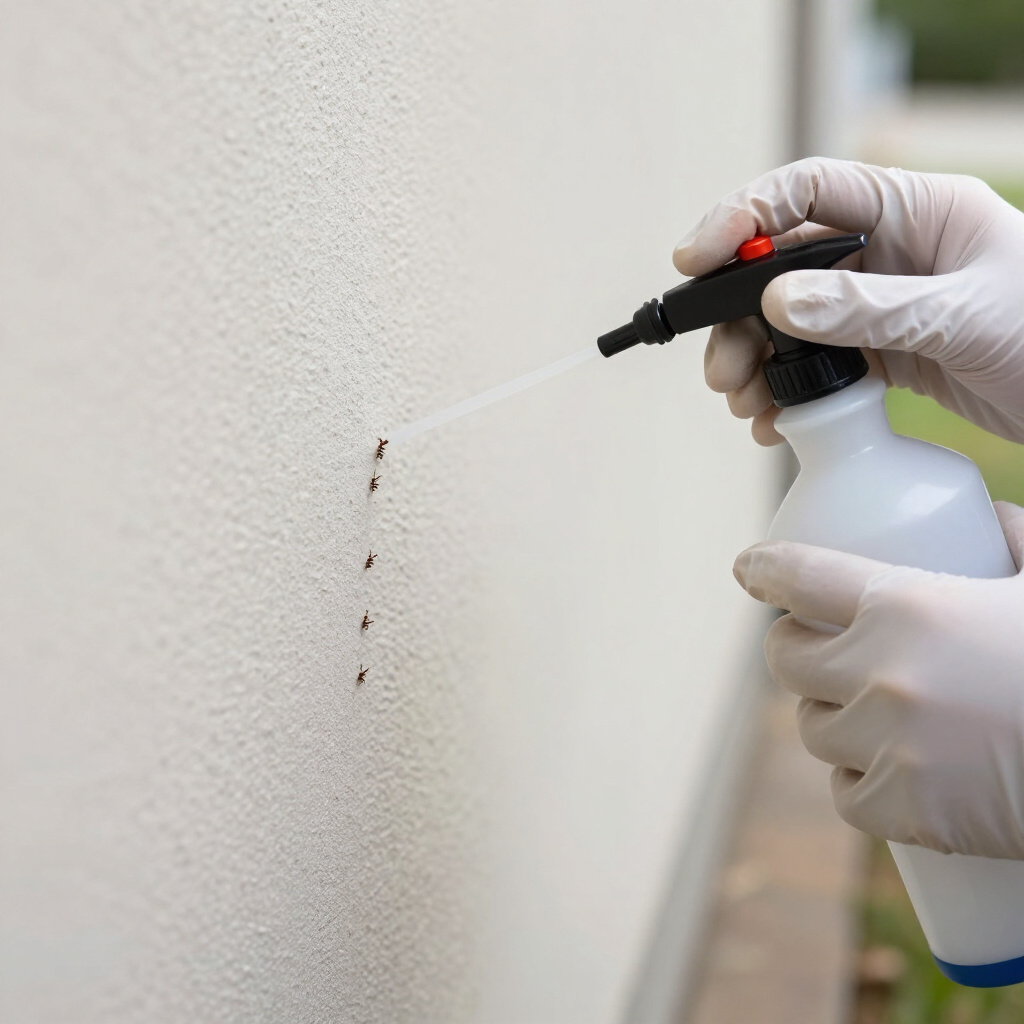

When ants march across your kitchen counter or aphids cluster on your tomato plants, reaching for a harsh chemical spray might feel like the only option. But more homeowners are discovering that natural pest control methods can be just as effective—without the worry of toxic residues around children, pets, or pollinators. The key is knowing which approaches genuinely work and how to apply them strategically for real results.
Natural Pest Control Methods That Actually Work in Your Home and Garden
Effective natural pest control starts with understanding that "natural" doesn't mean passive. These methods require observation, consistency, and sometimes a combination of tactics. The good news? Once you establish these practices, they often create lasting protection that chemical treatments simply can't match.
Beneficial insects are your first line of defense in the garden. Ladybugs devour aphids, lacewings attack mites and caterpillars, and parasitic wasps target destructive moth larvae. You can attract these allies by planting dill, fennel, yarrow, and cosmos—plants that provide nectar and habitat. Avoid broad-spectrum insecticides, which kill indiscriminately and destroy this natural balance.
Neem oil stands out as one of the most reliable botanical treatments. Derived from the seeds of the neem tree, this oil disrupts insect feeding and growth cycles without harming beneficial pollinators when applied correctly. Spray in early morning or evening when bees aren't active, and focus on leaf undersides where pests hide. It works particularly well against soft-bodied insects like whiteflies, scale, and spider mites.
Diatomaceous earth offers mechanical control that's especially valuable indoors and in dry garden areas. This powdery substance consists of microscopic fossilized algae with sharp edges that damage the exoskeletons of crawling insects like ants, cockroaches, and beetles. Apply a thin, visible layer along baseboards, behind appliances, and around plant stems. Reapply after rain or heavy dew, as moisture reduces effectiveness.
Preventive Strategies That Stop Problems Before They Start
The most successful natural pest control programs emphasize prevention. Exclusion and environmental management eliminate the conditions that attract pests in the first place, reducing your need for any intervention.
Physical barriers provide immediate, chemical-free protection. Row covers of lightweight fabric shield vegetable crops from flying insects while allowing light and water through. Copper tape creates an unpleasant surface that deters slugs and snails. Fine mesh screens on windows and vents block entry points for mosquitoes, flies, and wasps without compromising airflow.
Companion planting leverages natural plant relationships to confuse and repel pests. Marigolds release compounds that deter root-knot nematodes and repel whiteflies. Nasturtiums act as trap crops, drawing aphids away from more valuable vegetables. Basil planted near tomatoes may reduce hornworm pressure. These combinations require experimentation with your specific growing conditions, but the payoff includes improved biodiversity and often better harvests.
Sanitation and moisture control eliminate the food and water sources that sustain indoor pests. Store pantry items in airtight glass or metal containers. Fix leaky faucets and improve ventilation in damp areas like bathrooms and basements. Remove pet food after feeding times and keep compost bins sealed and away from exterior walls. These habits disrupt pest life cycles and make your home fundamentally unappealing to invaders.
Key Tips for Maximizing Natural Pest Control
Transitioning to natural methods requires adjusting your expectations and techniques. These practical guidelines will help you achieve consistent success.
Identify correctly before treating. Many "pests" are actually harmless or even beneficial. That fuzzy caterpillar might become a pollinating moth. The spider in your corner controls flies and mosquitoes. Misidentification leads to unnecessary intervention and potential harm to helpful species. Use field guides or extension service resources for accurate identification.
Accept some damage. Natural pest control rarely achieves the pristine, zero-tolerance results of heavy chemical programs. A few holes in lettuce leaves or minor leaf spotting on ornamentals usually doesn't threaten plant health or productivity. This tolerance allows beneficial insect populations to establish and creates a more resilient garden ecosystem overall.
Apply treatments precisely. Even natural substances can harm non-target organisms when misused. Horticultural oils smother beneficial insects alongside pests if sprayed broadly. Strong garlic or pepper sprays may burn tender foliage in hot sun. Always follow application guidelines, start with the lowest effective concentration, and spot-treat when possible rather than blanket-spraying entire areas.
Be patient with biological controls. Predatory insects and nematodes work more slowly than chemicals. It may take two to three weeks to see population reductions after releasing ladybugs or applying beneficial nematodes to soil. This delay reflects natural processes rather than failure. Plan ahead for seasonal pest cycles rather than reacting to severe infestations.
Final Thoughts
Natural pest control methods that actually work combine multiple approaches tailored to your specific situation. No single technique solves every problem, but integrated strategies—attracting beneficial insects, using targeted botanical treatments, maintaining physical barriers, and practicing diligent prevention—create robust protection that improves over time.
The shift from chemical dependence takes commitment and a willingness to observe natural systems at work. Start with one or two methods that address your most pressing concerns, then expand your toolkit as you gain confidence. Many gardeners and homeowners find that this approach not only controls pests effectively but also deepens their connection to the living systems in their homes and landscapes.
If you're facing a persistent infestation that resists these methods, or if you need help identifying pests and developing a customized natural management plan, professional guidance can bridge the gap. Experienced pest control specialists can integrate natural approaches with carefully selected treatments when necessary, ensuring effective results without unnecessary chemical exposure.