

Unwanted guests in your home don't always ring the doorbell. Household pests can slip in through cracks no wider than a credit card, multiply quietly in your walls, and turn your sanctuary into a source of stress. Understanding which invaders you're most likely to encounter—and how to stop them before they settle in—can save you from costly damage, health concerns, and sleepless nights. Let's walk through the most common household pests and the practical prevention strategies that actually work.
Common Household Pests and Their Risks
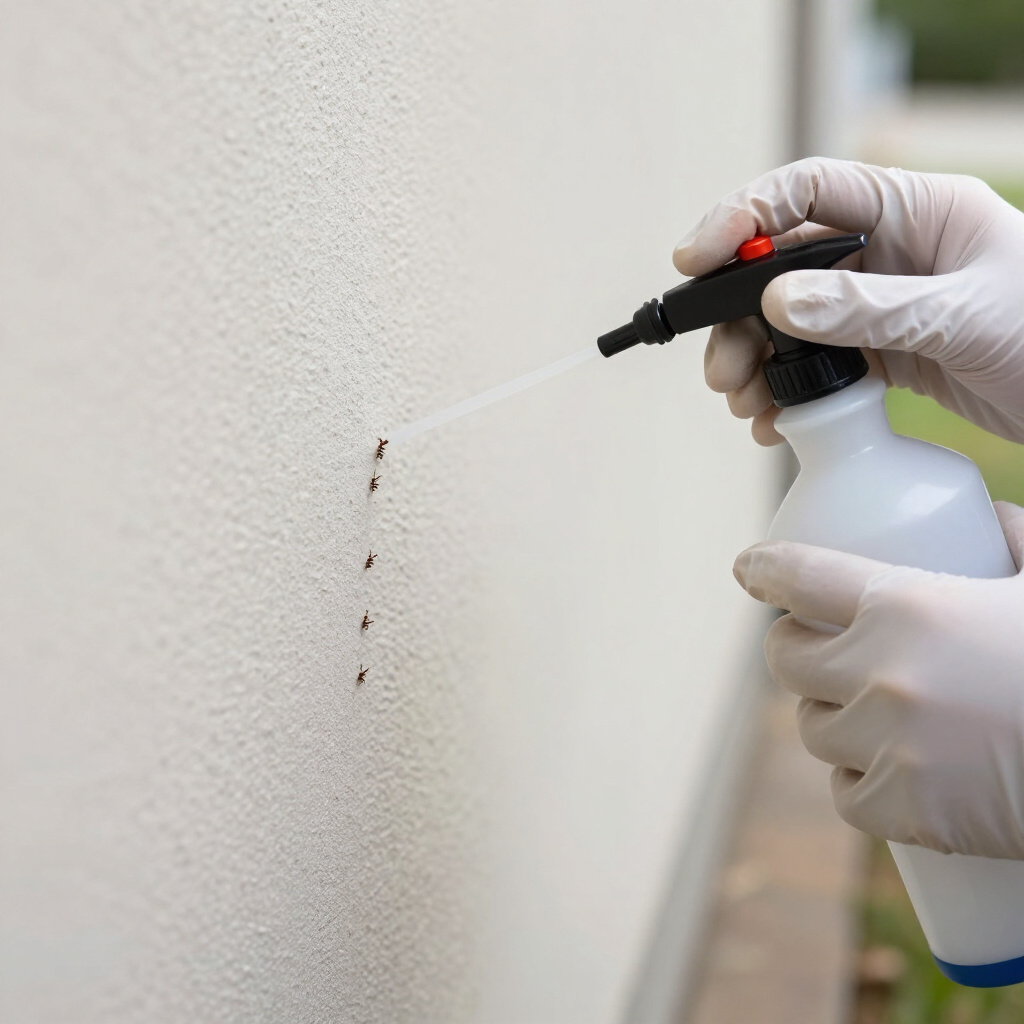
Every region has its particular pest pressures, but certain intruders show up in homes nationwide. Ants rank among the most frequent offenders, with species ranging from odorous house ants to destructive carpenter ants. These social insects leave chemical trails that recruit hundreds of followers to your kitchen counters in a matter of hours.
Cockroaches present a more serious concern. These resilient nocturnal pests hide in dark, moist areas and can trigger asthma and allergies, particularly in children. Their ability to survive on minimal resources makes them especially challenging once established.
Rodents—mice and rats—cause structural damage by gnawing through wiring, insulation, and even plumbing materials. Their constant chewing creates fire hazards and water damage risks. Additionally, they contaminate surfaces and food stores with droppings and urine.
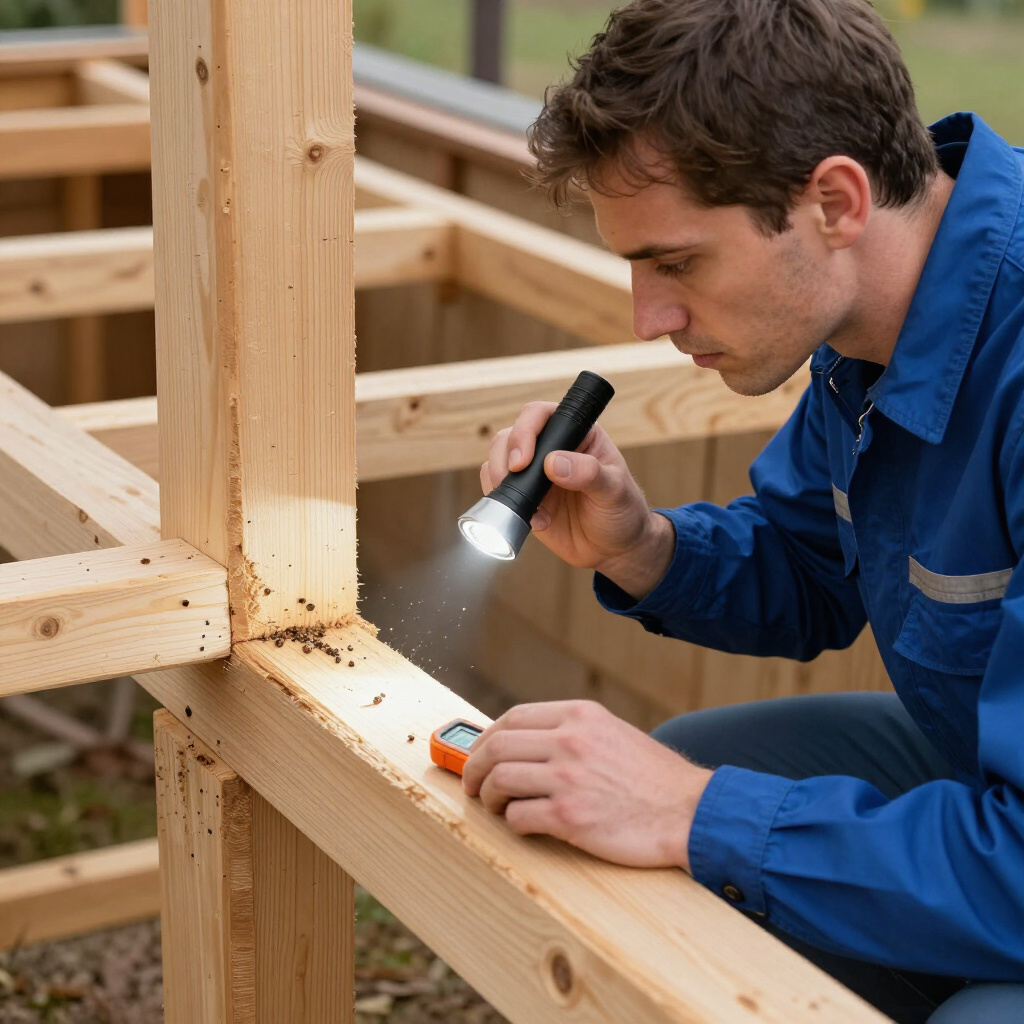
Termites operate silently, often causing thousands in damage before homeowners notice their presence. These wood-destroying organisms compromise structural integrity from the inside out. Bed bugs, meanwhile, have resurged dramatically in recent decades, hitchhiking into homes through luggage, furniture, and clothing.
Other notable mentions include spiders seeking shelter from outdoor conditions, silverfish damaging books and textiles, and pantry pests like Indian meal moths and weevils infesting stored food products.
Proven Prevention Strategies for Every Home
Effective pest management begins long before you spot your first invader. The foundation of prevention rests on eliminating what pests need most: food, water, and shelter.
Start with structural maintenance. Seal exterior cracks and gaps around utility penetrations, windows, and door frames using appropriate caulking or weatherstripping. Repair torn screens and install door sweeps where gaps allow entry. Even tiny openings serve as welcome mats for insects and rodents seeking refuge.
Kitchen discipline matters enormously. Store dry goods in airtight glass or thick plastic containers rather than original packaging. Wipe counters daily, sweep floors regularly, and never leave pet food out overnight. Address dripping faucets and condensation issues promptly—standing water sustains cockroach populations and attracts other moisture-dependent pests.
Your landscape choices influence indoor pest pressure significantly. Maintain a vegetation-free zone of at least twelve inches around your foundation. Trim tree branches and shrubs so they don't contact your roof or walls, creating natural bridges for ants, rodents, and wildlife. Direct downspouts away from the structure and ensure gutters drain properly to reduce moisture accumulation near the foundation.
Storage practices deserve attention too. Keep firewood elevated and at least twenty feet from your home. Store seasonal items in plastic bins rather than cardboard, which silverfish and roaches readily consume. In bedrooms, use mattress encasements and periodically inspect sleeping areas if you travel frequently or purchase secondhand furniture.
Key Tips for Ongoing Protection
Consistency separates homes that stay pest-free from those fighting recurring infestations. Establish a seasonal inspection routine, checking basement corners, attic spaces, under sinks, and behind appliances for signs of activity. Look for droppings, shed skins, egg cases, gnaw marks, and live or dead specimens.
When prevention measures fall short, respond thoughtfully rather than reactively. Misapplied over-the-counter sprays often scatter cockroach populations deeper into hiding rather than resolving the problem. Bait formulations typically outperform sprays for ants and roaches because foraging workers carry the active ingredient back to colonies.
For termite protection, professional evaluation provides essential peace of mind. These pests require specialized treatment approaches that homeowners cannot safely or effectively implement themselves. Annual inspections by qualified technicians represent modest insurance against potentially catastrophic structural damage.
Document any pest activity you observe, including dates, locations, and species if identifiable. This record helps professionals pinpoint entry points and nesting areas quickly, reducing treatment time and improving outcomes. Photographs of damage or specimens also accelerate accurate identification when consulting experts.
Finally, resist the temptation to ignore early warning signs. A single mouse sighting typically indicates several more hiding nearby. A few ants on the counter suggest a colony established somewhere within your structure or immediately outside. Addressing issues promptly prevents exponential population growth and the complications that follow.
Final Thoughts
Most Common Household Pests and How to Prevent Them represents more than a checklist—it's a mindset of proactive stewardship over your living environment. Pests exploit vulnerabilities, but informed homeowners can dramatically reduce their appeal and access.
The strategies outlined here require no specialized expertise, just consistent attention and timely action. Combine vigilant maintenance with prompt professional intervention when needed, and you'll spend far less time worrying about what might be lurking in your walls. Your home should remain your refuge, not a habitat for unwanted wildlife. Start with one improvement this week, build habits gradually, and enjoy the confidence that comes from genuine protection.