
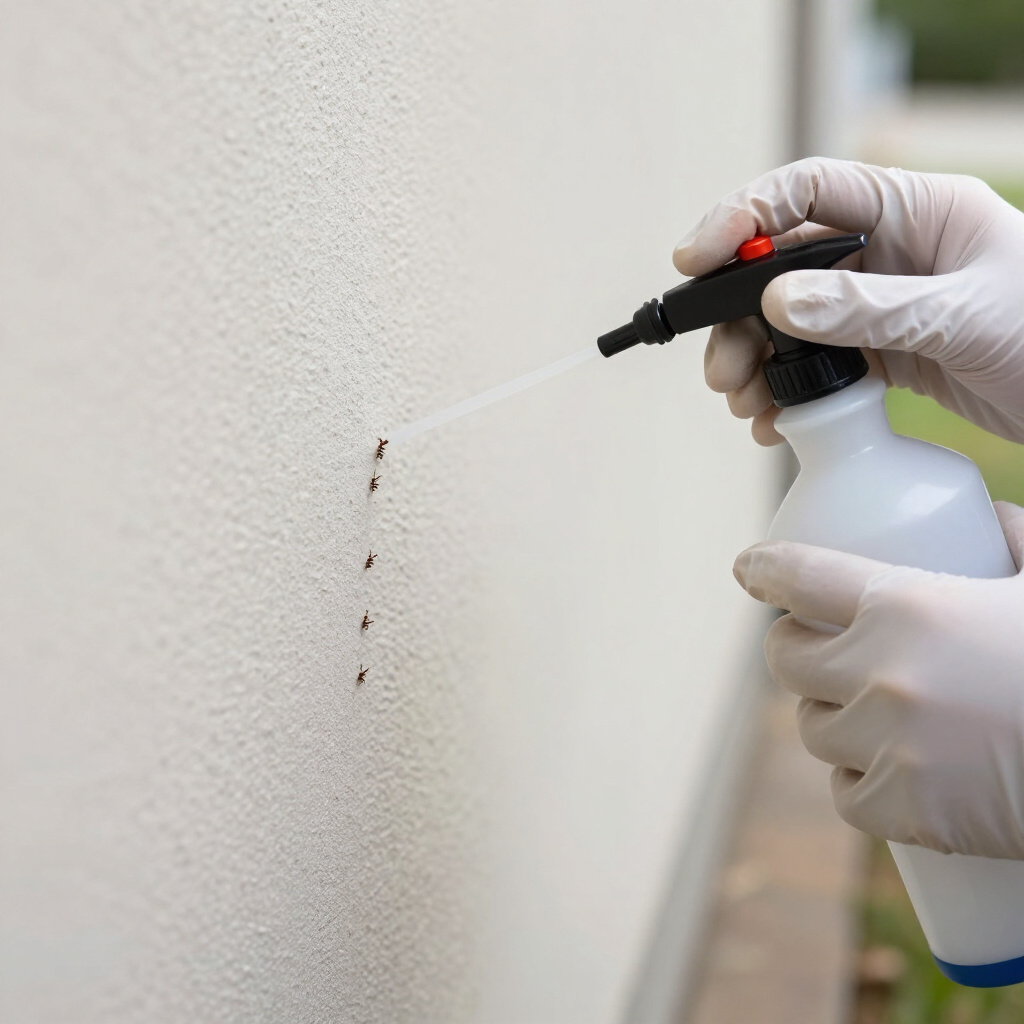


Few things are more frustrating than spotting a trail of ants marching across your kitchen counter. One moment your home feels spotless, and the next, these tiny invaders have claimed your sink, your pantry, or even your walls. The good news? With the right approach, you can stop ants before they ever become a problem. Prevention is far easier than elimination, and most of the steps are simple habits anyone can adopt.
How to Prevent Ants From Invading Your Home Starts With Removing Food Sources
Ants enter homes for one primary reason: they're hungry. Your kitchen, with its crumbs, spills, and accessible food, is essentially an all-you-can-eat buffet. The first and most critical step in keeping ants out is making your home unappealing from a food perspective. Start with rigorous cleaning habits. Wipe down counters after every meal preparation, and don't let dirty dishes sit in the sink overnight. Sweep floors daily, paying special attention to corners and under appliances where crumbs accumulate unnoticed. That forgotten oat under the toaster? It's a beacon for foraging ants. Food storage matters enormously. Transfer pantry items like sugar, flour, cereal, and pet food into airtight containers. Cardboard boxes and thin plastic bags are no match for determined ants. Even unopened packages can attract attention if they carry food scents. Consider glass, metal, or thick plastic containers with secure seals. Don't overlook your pet's feeding area. Leave dry food out only during designated mealtimes, and clean bowls thoroughly afterward. Water sources attract ants too, so fix dripping faucets and empty pet water dishes at night if you're dealing with recurring scout ants.
Seal Entry Points to Block Ant Access
A spotless kitchen won't help if ants can stroll right through a gap in your window frame. These insects are remarkably small and resourceful, capable of squeezing through cracks you'd never notice. A thorough inspection and sealing effort creates the physical barrier your prevention strategy needs. Walk the perimeter of your home with a critical eye. Check window screens for tears and ensure they fit tightly in their frames. Examine door sweeps and weather stripping—gaps as thin as a credit card can admit ants. Caulk around utility penetrations where pipes and wires enter your walls, including outdoor faucets and dryer vents. Inside, focus on the kitchen and bathrooms where moisture and food converge. Seal gaps along baseboards, behind cabinets, and around plumbing fixtures. Expandable foam works well for larger voids, while silicone caulk handles finer cracks. Don't forget your foundation: cracks in concrete or gaps where siding meets the ground deserve attention too. Natural deterrents can reinforce these barriers. A thin line of diatomaceous earth along entry points dehydrates ants that cross it. Cinnamon, peppermint oil, or vinegar solutions applied to thresholds create scent barriers that confuse foraging trails. These aren't substitutes for sealing, but they add valuable layers of protection.
Key Tips for Long-Term Ant Prevention
Consistent habits make the difference between occasional ant sightings and chronic infestations. These targeted strategies address the less obvious factors that invite ants into your living space. Manage moisture diligently. Ants need water, and leaky pipes, condensation, or damp basements create ideal conditions. Run dehumidifiers in humid areas, ensure proper ventilation in bathrooms, and address any plumbing issues promptly. Outdoor, grade soil away from your foundation to prevent water pooling near walls. Maintain your yard strategically. Tree branches and shrubs that touch your home act as bridges for ants. Trim vegetation back at least a foot from walls and rooflines. Move firewood, mulch, and decorative stones away from the foundation—these materials harbor ant colonies. If you have fruit trees, promptly remove fallen fruit that ferments on the ground. Be cautious with DIY baits and repellents. Spraying visible ants with household cleaners may kill the scouts you see, but it also alerts the colony to danger. Survivors reroute around the threat, often splitting into multiple trails. When prevention fails and you spot consistent ant activity, professional identification matters enormously. Different ant species require entirely different approaches; what eliminates odorous house ants may barely affect carpenter ants. Schedule seasonal inspections of your home's exterior. Spring rains and summer heat drive ants indoors, while fall prompts colony expansion as they prepare for winter. Catching vulnerabilities before these pressure points arrive keeps you ahead of the problem.
Final Thoughts
Preventing ants from invading your home comes down to three fundamentals: eliminate what attracts them, block how they enter, and stay vigilant about maintenance. No single tactic guarantees success, but layered strategies dramatically reduce your risk. The effort you invest in sealing cracks and maintaining cleanliness pays dividends in peace of mind. If you've implemented these prevention measures and still encounter persistent ant trails, the issue may run deeper than surface-level attractants. Hidden nests within walls, moisture damage, or neighboring colonies can sustain problems despite your best efforts. Professional pest control provides targeted solutions that identify the specific species and colony location, delivering lasting relief without the guesswork of trial-and-error home remedies.