

There's something uniquely unsettling about walking into a room and spotting a spider dangling from the ceiling or scurrying across the floor. Even if you know most household spiders are harmless, that instinctive reaction is hard to shake. The good news? You don't have to share your living space with eight-legged roommates. With a few targeted strategies, you can make your home far less appealing to spiders and keep them where they belong—outside.
How to Keep Spiders Out of Your House by Removing What Attracts Them
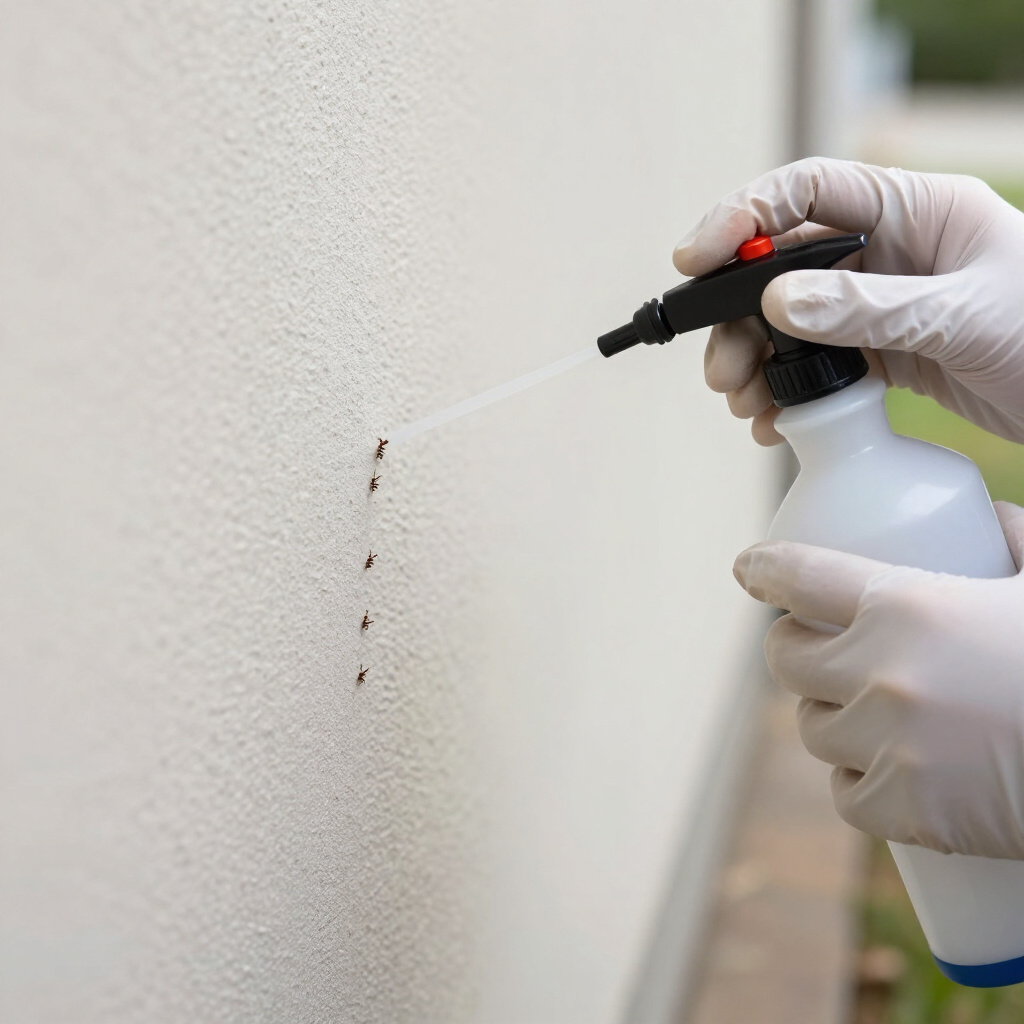
Spiders don't wander into your home by accident. They're following food, seeking shelter, or exploiting easy entry points. Understanding this is the first step in effective prevention. The most critical factor? Other pests. Spiders are predators, and if your home has a steady supply of flies, ants, or moths, you're essentially running a spider buffet.
Start by addressing indoor pest populations. Keep food stored in airtight containers, clean up crumbs promptly, and fix leaky faucets that provide water sources. Reduce clutter in basements, attics, and garages where both prey insects and spiders can hide. Pay special attention to exterior lighting—bright white bulbs attract flying insects at night, which in turn draw hunting spiders. Switch to yellow-tinted or sodium vapor bulbs for porch and security lights, and position them away from doorways when possible.
Moisture control matters too. Spiders prefer humid environments, so run dehumidifiers in damp basements and ensure bathrooms are well-ventilated. Don't let firewood, compost bins, or dense vegetation sit directly against your foundation—these create perfect harborage areas that spiders readily exploit.
Seal Every Possible Entry Point
A spider can squeeze through gaps as small as 1/16 of an inch. That means even tiny cracks and crevices are essentially wide open doors. Conduct a thorough inspection of your home's exterior, paying special attention to common vulnerability zones.
Check around windows and doors for worn weatherstripping or gaps in frames. Apply fresh caulk around window casings, and install door sweeps if light shows beneath exterior doors. Examine where utility lines, pipes, and cables enter your home—these penetrations often have generous gaps that go unnoticed. Seal them with appropriate materials: silicone caulk for small cracks, steel wool combined with caulk for larger openings, and expandable foam for substantial gaps around plumbing.
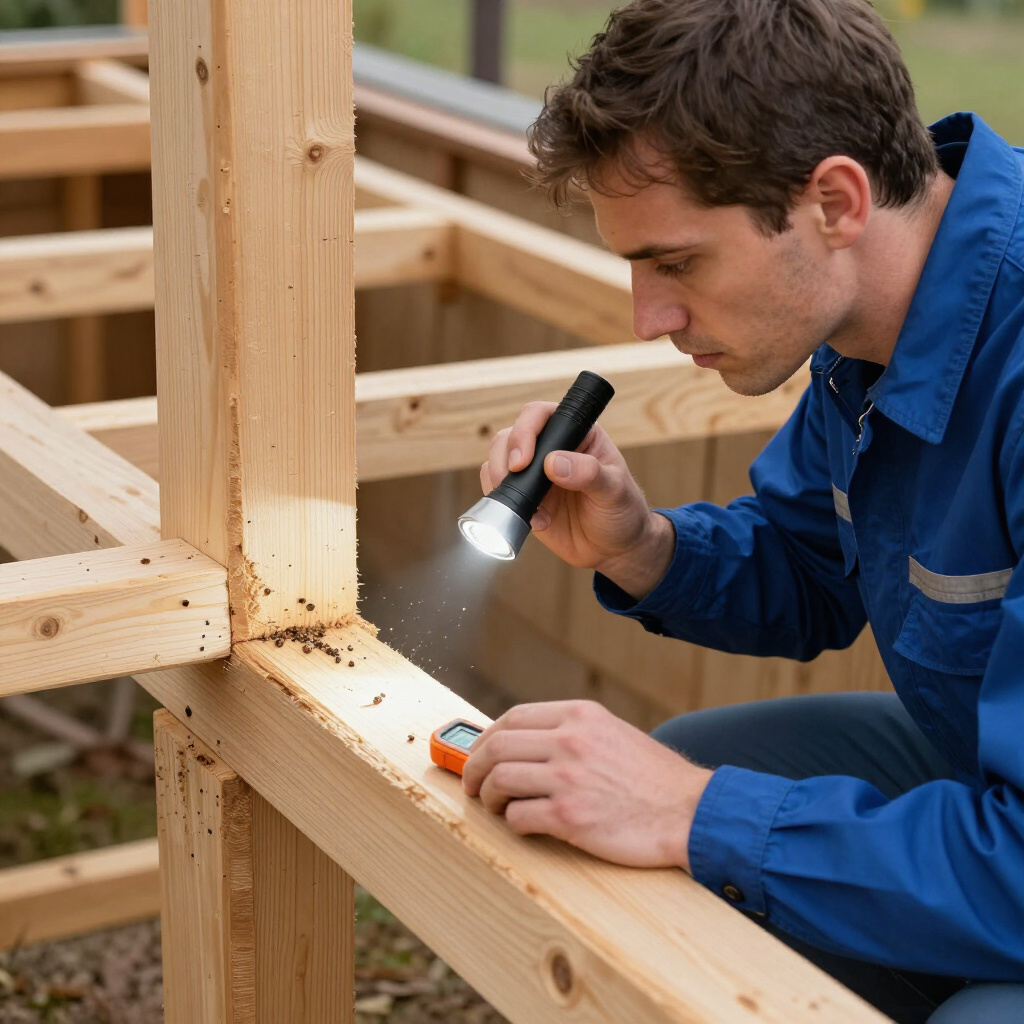
Don't forget your roofline and foundation. Repair damaged screens on windows, doors, and vents. Cover attic vents and chimney openings with fine mesh screens that allow airflow while blocking spider access. Inspect soffits, fascia boards, and foundation walls for deterioration, and address any wood rot or mortar damage promptly. These structural weaknesses don't just admit spiders; they compound over time and invite more significant problems.
Key Tips for Ongoing Spider Prevention
Consistency beats intensity when it comes to keeping spiders away. Establish these habits to maintain a spider-resistant home year-round:
Clean with purpose. Regular dusting and vacuuming remove spider webs, egg sacs, and the insect debris that signals a viable hunting ground. Use a vacuum with a hose attachment to reach corners, ceilings, behind furniture, and other web-prone spots. Empty the vacuum outside immediately afterward to prevent captured spiders from escaping back into your home.
Landscape strategically. Maintain a vegetation-free zone of at least 12 inches around your foundation. Trim shrubs and tree branches so they don't touch your home's exterior—spiders use these as bridges to access walls, roofs, and upper windows. Keep mulch layers thin, as deep mulch retains moisture and harbors insects spiders feed on. Consider using rock or gravel barriers immediately adjacent to the foundation.
Store smart. Cardboard boxes in basements and attics are spider magnets. They provide hiding spots, retain moisture, and often harbor silverfish and other prey. Replace cardboard with sealed plastic containers. Shake out clothing and shoes before wearing if they've been stored undisturbed, especially seasonal items from closets or garages.
Use natural deterrents cautiously. Peppermint oil, vinegar sprays, and chestnuts are popular folk remedies, but their effectiveness is inconsistent and short-lived. If you choose to use essential oils, understand they require frequent reapplication and provide only marginal benefit compared to the structural and sanitation measures above. Diatomaceous earth can help in dry, undisturbed areas by desiccating insects (and spiders that contact it), but it's no substitute for proper exclusion.
Know when to call professionals. If you're seeing multiple spiders daily, finding dangerous species like black widows or brown recluses, or dealing with persistent webs despite your efforts, professional intervention may be warranted. Pest control experts can identify hidden entry points, apply targeted treatments to harborage areas, and address underlying insect infestations that sustain spider populations.
Final Thoughts
Learning how to keep spiders out of your house isn't about achieving perfection—it's about making your home consistently less hospitable than the alternatives. Focus first on eliminating the food sources and shelter that draw them in, then methodically seal the access routes they use. The combination of diligent sanitation, structural maintenance, and smart landscaping creates an environment where spiders simply don't thrive.
Patience matters. If you've had spiders established for some time, it may take several weeks of consistent effort before you notice a significant decline. But the reward—a home where you can walk into any room without that involuntary ceiling scan—is well worth the investment. Start with one or two strategies this week, build from there, and reclaim your space from the inside out.