
Few things are more unsettling than flipping on the kitchen light and watching cockroaches scatter across your countertops. These resilient pests don't just trigger disgust—they contaminate food, trigger allergies, and can even worsen asthma symptoms. The good news? You can learn how to get rid of cockroaches fast with the right combination of immediate action, targeted treatments, and preventive habits. Whether you're dealing with a sudden sighting or a full-blown infestation, this guide will walk you through proven strategies that actually work.
How to Get Rid of Cockroaches Fast by Cutting Off Their Resources
The fastest way to reduce cockroach activity is to make your home inhospitable. Cockroaches need three things to thrive: food, water, and shelter. Remove even one of these, and their population will begin to collapse.
Start in your kitchen. Wipe down counters every evening, sweep floors for crumbs, and store all food in airtight containers. Never leave dirty dishes in the sink overnight—this is one of the most common mistakes that keeps roaches coming back. Clean under appliances where grease and debris accumulate, and empty your garbage daily using a bin with a tight-fitting lid.
Fix leaks promptly. A dripping faucet or condensation line provides all the moisture cockroaches need to survive for weeks without food. Check under sinks, behind toilets, and around your water heater. Use a dehumidifier in damp basements or crawl spaces to eliminate the humid environments roaches prefer.
Declutter storage areas, especially cardboard boxes, paper bags, and stacks of newspapers. These materials offer both food sources (the glue in cardboard is surprisingly appealing) and hiding spots. Switch to plastic storage containers with sealed lids whenever possible.
Targeted Treatment Methods That Deliver Quick Results
Sanitation alone rarely eliminates an established infestation. To get rid of cockroaches fast, you need to deploy treatments that reach the pests where they hide and breed.
Gel baits are among the most effective tools available. Applied as small dots in cracks, crevices, and along baseboards, these attract roaches with palatable food mixed with slow-acting insecticide. The genius lies in the delayed kill—roaches return to their harborages, die, and are consumed by others, spreading the poison through the entire colony. Place baits near refrigerator motors, under sinks, behind stoves, and in cabinet corners. Avoid spraying insecticide near bait placements, as repellents will drive roaches away from the poison.
Insect growth regulators (IGRs) work differently by preventing young roaches from reaching reproductive maturity. These synthetic hormones don't kill adults directly but stop the infestation cycle. Combined with baits, IGRs provide both immediate population reduction and long-term control. Many professional pest control companies use IGRs as standard treatment components.
Boric acid powder remains a time-tested option when applied correctly. Dust a thin, nearly invisible layer behind appliances, under cabinets, and in wall voids. When roaches groom themselves, they ingest the particles, which damage their digestive systems. Boric acid loses effectiveness if applied too heavily—roaches will simply walk around thick accumulations.
Diatomaceous earth offers a non-toxic alternative that works by abrading the waxy coating on roach exoskeletons, causing fatal dehydration. Food-grade diatomaceous earth is safe around pets and children but must stay dry to remain effective. Reapply after cleaning or if humidity levels rise significantly.
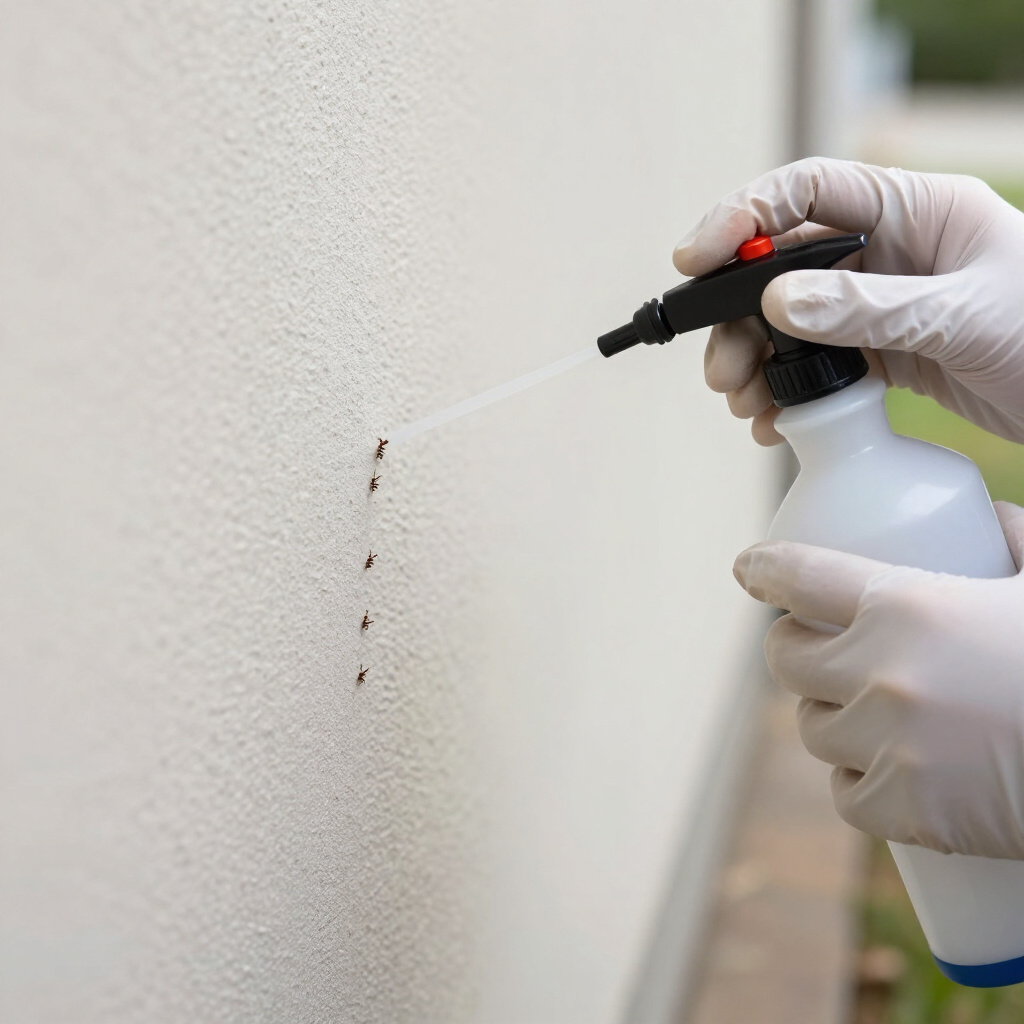
For severe infestations, professional-grade insecticides containing active ingredients like fipronil, hydramethylnon, or indoxacarb may be necessary. These require careful application and are often best handled by licensed pest control professionals who understand proper dosing and placement techniques.
Key Tips for Long-Term Cockroach Prevention
Eliminating the current infestation is only half the battle. Preventing reinfestation requires ongoing vigilance and structural improvements to your home.
Seal entry points with particular attention to gaps around pipes, electrical conduits, and baseboards. Cockroaches can squeeze through spaces just 3 millimeters wide—the thickness of a credit card. Use steel wool, caulk, or foam sealant depending on the opening size and location. Install door sweeps on exterior doors and repair torn window screens promptly.
Inspect items before bringing them indoors. Secondhand furniture, cardboard boxes from storage facilities, and even grocery bags can harbor hitchhiking roaches or their egg cases. The egg cases, called oothecae, are purse-shaped and tan to dark brown—each containing 10 to 40 developing nymphs.
Maintain your outdoor environment to reduce pressure on your home. Trim shrubs and tree branches away from exterior walls, eliminate standing water, and store firewood at least 20 feet from your foundation. Keep garbage bins sealed and positioned away from doorways.
Schedule regular monitoring even after activity seems to stop. Sticky traps placed in suspected harborages serve dual purposes: they catch stragglers and provide early warning of renewed activity. Check traps weekly and replace them when they accumulate dust or lose stickiness.
Consider ongoing professional maintenance if you live in multi-unit housing, dense urban environments, or regions with persistent cockroach pressure. Quarterly preventive treatments create protective barriers that stop problems before they establish.
Final Thoughts
Cockroaches have survived for hundreds of millions of years, but that doesn't mean you have to share your home with them. The fastest path to relief combines immediate sanitation, strategic bait placement, and targeted insecticide use with the patience to let treatments work through the entire population. Remember that seeing more roaches shortly after baiting often indicates success—dying, disoriented insects are more visible as the poison takes effect.
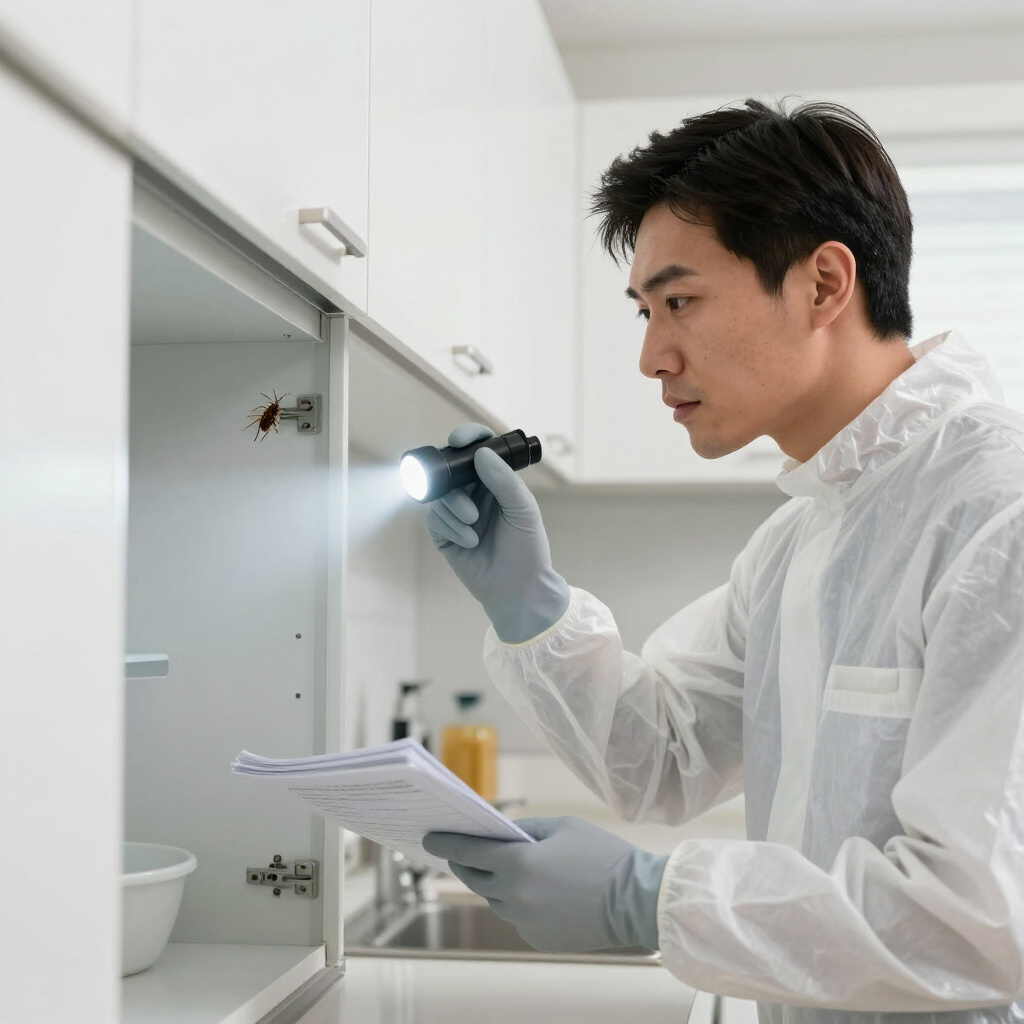
If your efforts don't show significant improvement within two to three weeks, or if you're dealing with German cockroaches (the small, light-brown species most common in kitchens), professional intervention becomes the most cost-effective choice. Licensed pest control technicians have access to commercial-grade products, specialized equipment for treating wall voids, and the training to identify and eliminate hidden harborages that homeowners typically miss.
Knowing how to get rid of cockroaches fast empowers you to protect your family's health and reclaim your living space. Start with the fundamentals today, stay consistent with your prevention habits, and don't hesitate to call in expert help when needed. A roach-free home is absolutely achievable—with the right approach, you can get there faster than you might think.