
When you spot a trail of ants marching across your kitchen counter or hear scratching in the walls at midnight, the first question that comes to mind is usually: should I tackle this myself or call in the pros? Both DIY pest control and hiring a professional have their place, and the right choice depends on your situation, your comfort level, and what you're actually dealing with. Let's break down what you need to know to make the smartest decision for your home and family.
DIY Pest Control vs Hiring a Professional: What You Can Handle Yourself
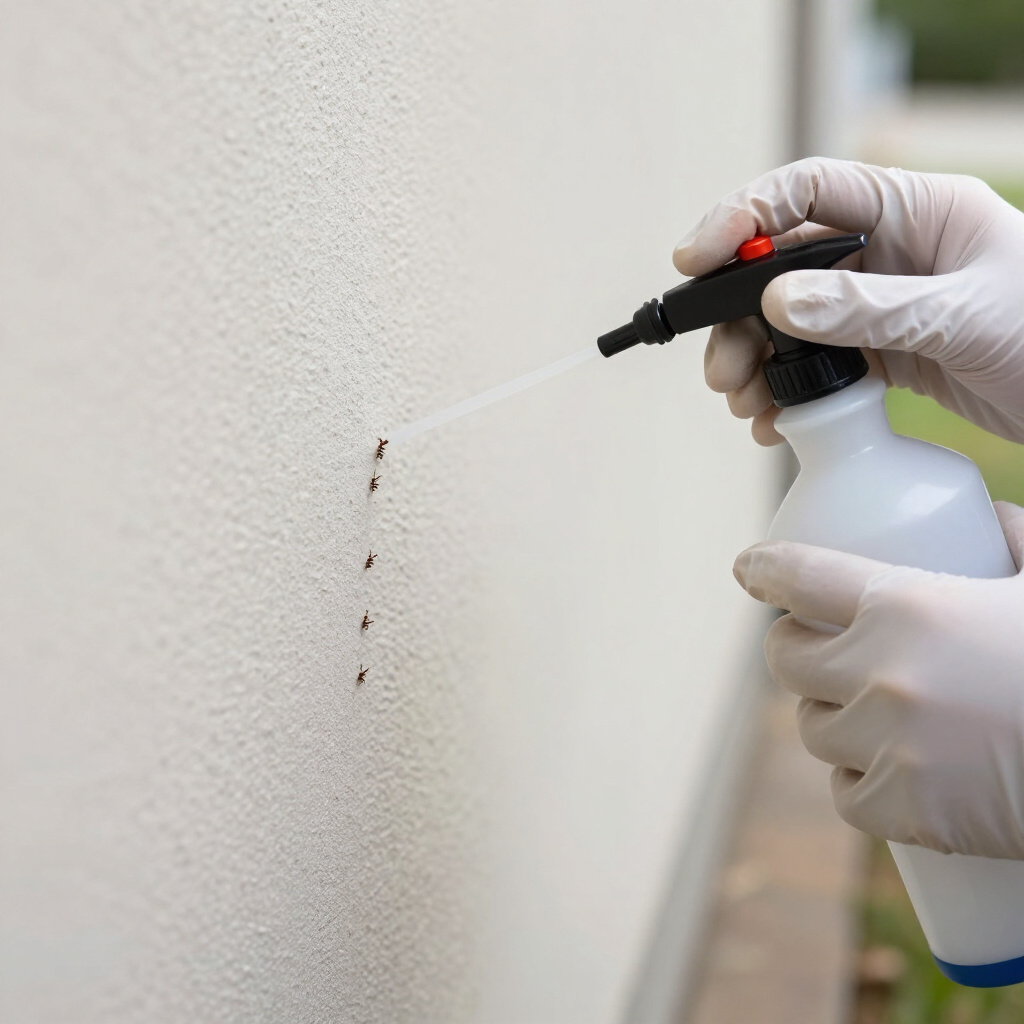
For minor, isolated pest issues, the do-it-yourself route can be perfectly effective and budget-friendly. Think of it as home maintenance—just like changing a light fixture or unclogging a drain. A few stray ants attracted to a forgotten crumb, a single wasp nest in early formation, or the occasional spider in the basement often respond well to over-the-counter solutions and good old-fashioned prevention.
Successful DIY pest control starts with proper identification. You need to know what you're dealing with to choose the right product and approach. Traps, baits, and sprays from your local hardware store can work when used correctly and placed strategically. Integrated pest management techniques—sealing entry points, eliminating food sources, reducing moisture, and maintaining cleanliness—form the backbone of any effective home defense and cost very little.
However, DIY methods have real limitations. Most consumer products provide temporary relief rather than addressing root causes. They also require careful handling, especially if you have children, pets, or respiratory sensitivities in your household. Misapplication is common and can actually make problems worse—disturbing a nest without eliminating it, for instance, may cause pests to scatter and establish multiple new colonies.
When Professional Pest Control Becomes Essential
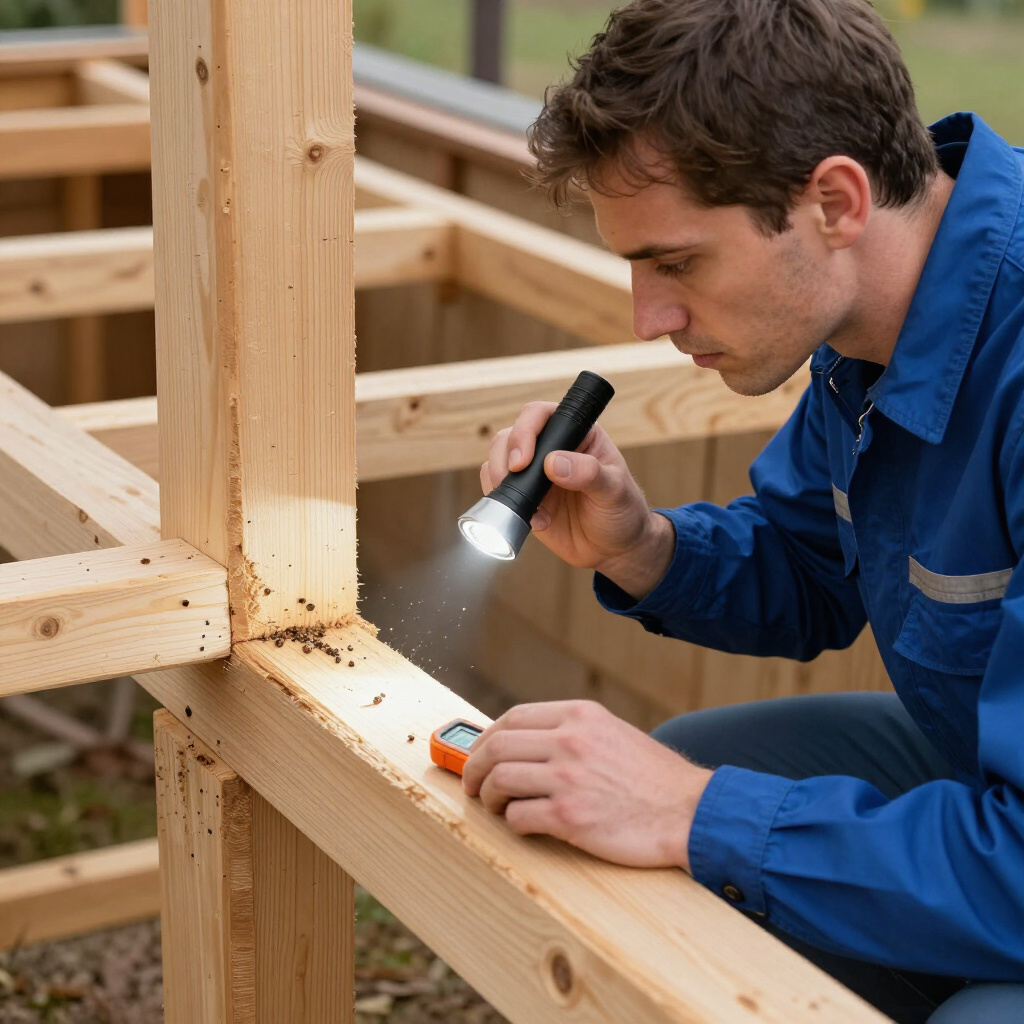
Some situations demand expertise that goes far beyond what a spray bottle can deliver. Structural infestations involving termites, carpenter ants, or rodents require thorough inspection, specialized equipment, and treatment plans that penetrate deep into walls, foundations, and hidden spaces. These pests cause progressive damage that can compromise your home's integrity and lead to repair costs far exceeding professional treatment fees.
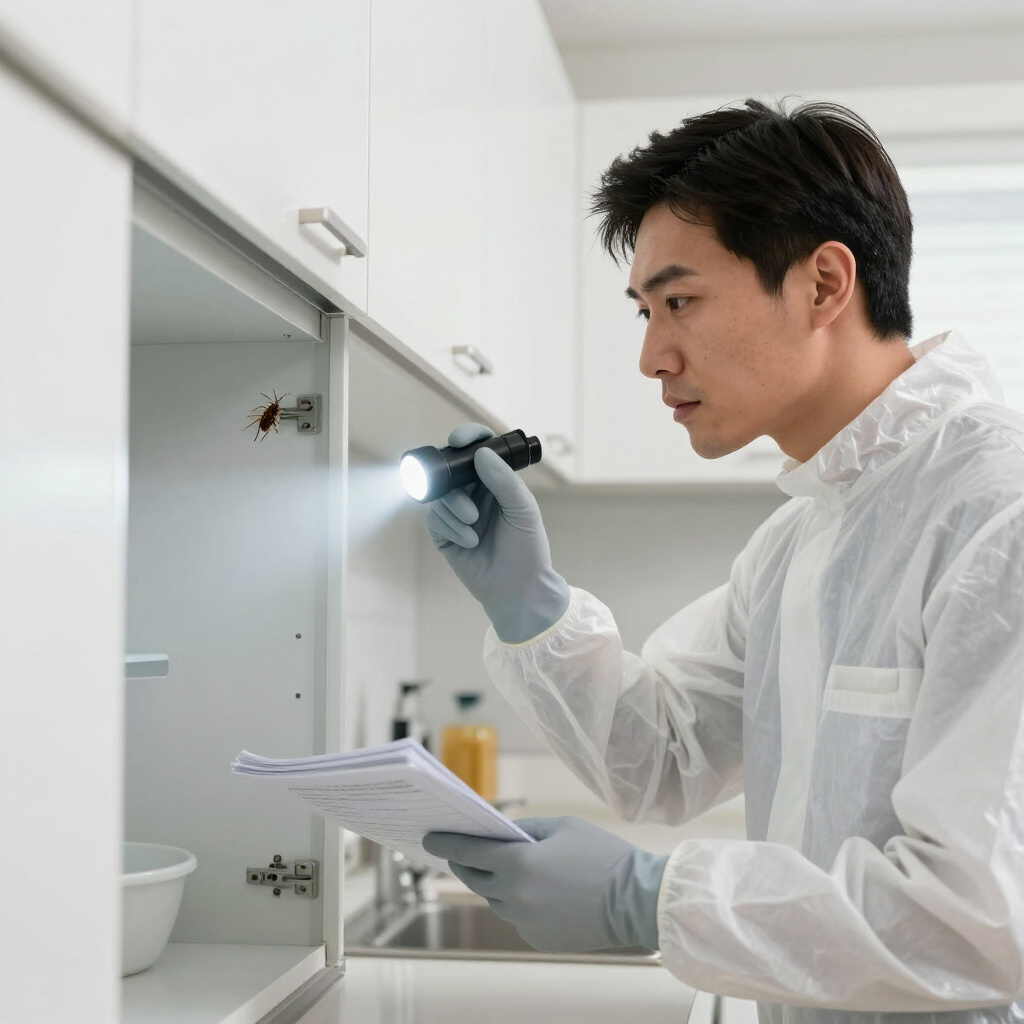
Health-threatening pests also warrant professional intervention. Venomous spiders, disease-carrying rodents, cockroach populations that trigger asthma and allergies, and stinging insects in large numbers pose genuine risks that most homeowners shouldn't manage alone. Professionals have protective gear, targeted formulations, and training in safe application that simply isn't available to consumers.
Recurring or mysterious infestations signal that something deeper is amiss. If you've tried multiple DIY approaches and pests keep returning, you're likely missing the source. Pest control technicians bring diagnostic skills honed through experience—they can identify entry points you haven't noticed, recognize behavioral patterns, and implement comprehensive solutions that break reproduction cycles rather than just killing visible pests.
Another advantage of professional service is warranty protection and ongoing monitoring. Reputable companies stand behind their work, returning to address resurgence at no extra cost. This peace of mind matters when you're protecting your largest investment.
Key Tips for Making Your Decision
Before deciding between DIY pest control vs hiring a professional, assess your specific situation honestly. Consider the pest type, infestation size, location within your home, your available time, and any health or safety concerns. Start with these practical guidelines:
Choose DIY when: You're dealing with a small, recent, and clearly identified problem; you have time for thorough follow-up; no one in your household has chemical sensitivities; and you're comfortable reading labels and following safety precautions precisely.
Call a professional when: Pests have established themselves in walls, attics, or foundations; you suspect wood-destroying organisms; the infestation is large or spreading; anyone in your home has health vulnerabilities; or you've already attempted treatment without lasting success.
If you do hire help, research thoroughly. Look for licensed, insured companies with strong local reputations. Ask about their treatment philosophies—integrated pest management approaches that minimize chemical use deserve preference. Request clear explanations of what they plan to do, what products they'll use, and what preparation they need from you. Get any guarantees in writing.
For committed DIYers, invest in quality tools: a good flashlight for inspections, caulk and steel wool for exclusion work, proper storage containers for pantry goods, and a reliable dehumidifier for damp spaces. Prevention consistently outperforms reaction.
Final Thoughts
Neither approach is inherently superior—the best pest control strategy matches the method to the problem. Many homeowners successfully handle routine prevention and minor issues themselves while building relationships with trusted professionals for situations beyond their expertise. This hybrid approach often delivers the best value and protection.
The key is resisting the temptation to let pride or penny-pinching delay proper treatment when a problem clearly exceeds DIY limits. Pests multiply, damage compounds, and health risks escalate with time. Whether you reach for a bait station or the phone, act promptly and stay vigilant. Your home deserves no less.